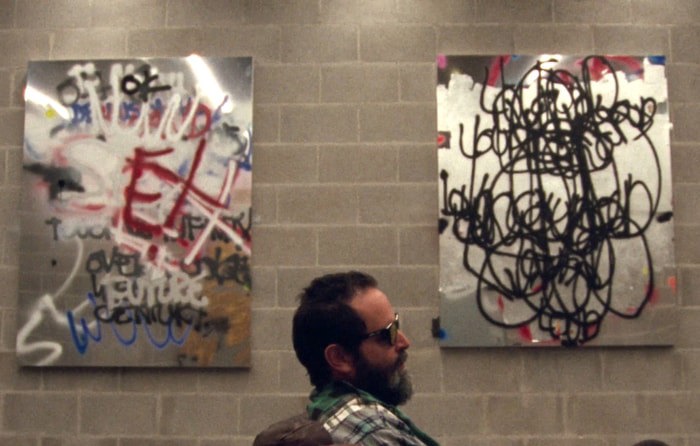
Coyote Urbanism


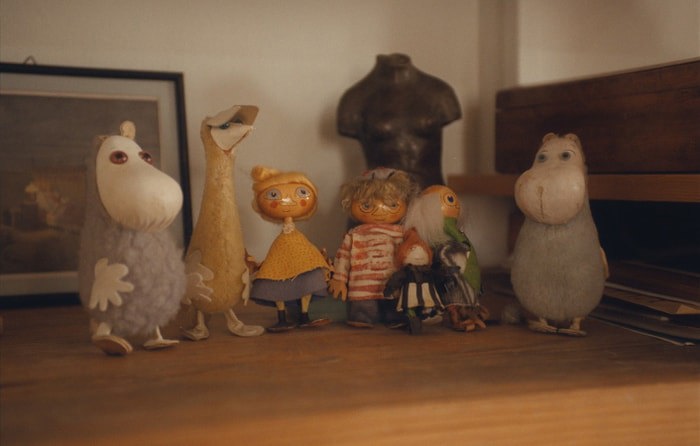
The Benches of Ballyloughane
Constructed Views: Toma Unrestored
In a historic corner of Nara, Japan, Shingo Sakuma and Jin-Yi Liu have turned a forgotten Shinto priest house into an art space, founded on light, shadow, and emotional architecture
In the Japanese city of Nara, Shingo Sakuma and Jin-Yi Liu have preserved an 18th century Shinto priest family’s residence on the edge of a primeval forest leading to the Kasugataisha Shrine. Now an art space, Toma House has been restored from near-collapse by the Toma family’s descendants, standing with the monumental architecture and spiritual landmarks of Nara’s historic Takabatakecho district, and the forest’s free-roaming deer – said to be sacred messengers of the Shinto gods. While exhibitions, workshops, and artist residencies occupy the space, parts of the property remain untouched, as Shingo and Jin-Yi enlist traditional craftspeople to restore its individual elements.
Toma House exists in a state of in-betweenness. This film is about what remains unfinished – and how that state of incompleteness gives a space its life. I wanted to explore the emotional architecture. What does it mean to live with the past? And what does it mean to care for a place not as a possession, but as a living being?
Following a new phase of the project for the short documentary Toma Unrestored, Tokyo-based filmmaker Sybilla Patrizia captures Toma House as a vessel for art, memory, and reverence over the restoration of two sets of fusuma sliding doors, originally painted by Katsuyama Takugan. Centering the quiet power of space as the weathered screens are revived and reinstated, the film studies emotional architecture through the connection to the house in its incomplete state, honoring the living legacy and energy of rooms shaped by time and memory.
September 24, 2025