Morgan Bullock


Bill Shannon
Body Language: Guang Chang Wu
An intimate look at the New York City style of Chinese square dancing
Over 100 million people gather daily in China to dance and socialize in public parks, neighborhood squares, and even underneath freeway overpasses. The dance styles can vary from Guang Chang Wu, a form of Chinese square dance, to Yangge, a popular folk dance. Although this energetic pastime activity is open to anyone, public dancing is particularly enjoyed by middle-aged and retired women.
Over the years, new pockets of public dance groups have emerged in cities around the world. Notable dance takeovers have occurred outside the Louvre in Paris and Moscow’s Red Square—inciting thousands of bystanders to flock to social media and ask questions about this seemingly new dance phenomenon—hence, spreading its appeal.
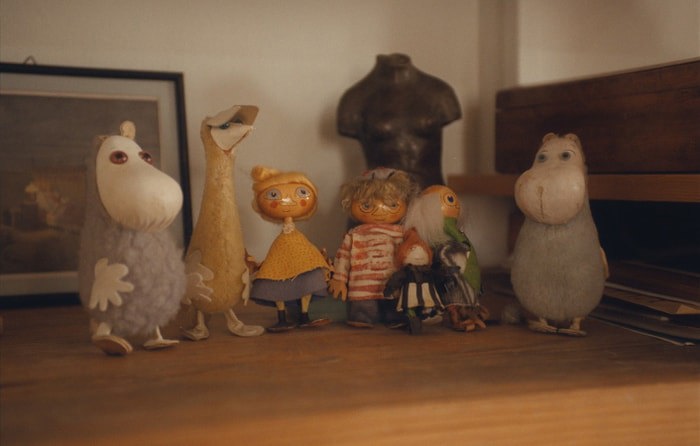
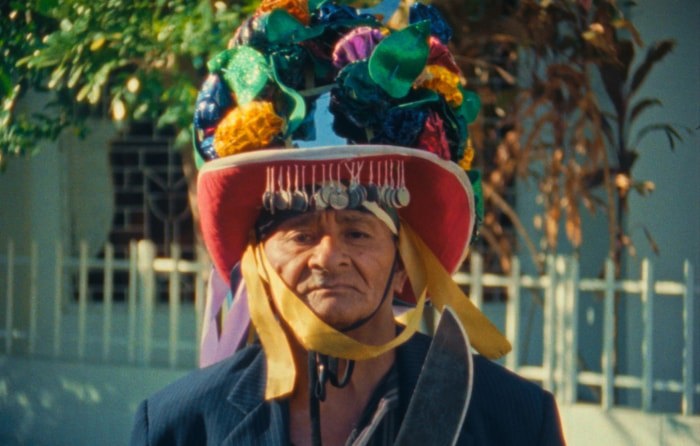
Director Jean Liu captured Team Zhi Qing, one of New York City’s Guang Chang Wu groups, to create this celebratory profile piece. The Team’s sound bites, layered across images of gathered skirts, bamboo fans, and colorful handkerchiefs, reflect on the joy and sorority that dancing brings to them.
Through traditional Chinese dancing, older women were able to relieve feelings of loneliness and isolation compounded by the pandemic; a unique advantage is that the dances can be performed socially distanced.
Guang Chang Wu and other public dance styles are usually self-organized, free to attend, with steps that are easy to learn—attracting women from the Asian diaspora. Liu sharpens her focus on the health benefits and happiness that freedom of movement gives to the women, who grow in strength and confidence as the film goes on.
An Interview with Director Jean Liu
What drew you to this project?
Guang Chang Wu is ubiquitous in China.Every large public space is essentially an invitation to dance, and I love that retirees have no qualms about claiming the space for themselves and their practice. When I learned that Guang Chang Wu was also in New York, I was fascinated to see how such a quintessentially Chinese movement would be translated in a young, restless city like New York, where the elderly aren’t as visible or prominent in public life.
What did you learn about Guang Chang Wu that you didn’t know before?
Guang Chang Wu isn’t just one style of dance. It’s the name given for dancing in a public space. We all encountered a basic, exercise-centric form of it as children in PE lessons but I never realised just how many styles of dance can be practiced under the Guang Chang Wu umbrella. The dancers in the troupes are fluent in so many different styles of dance, with an incredibly vast repertoire and encyclopaedic knowledge of Chinese dance that blew me away.
Was there anything you discussed with the women that shaped the journey of the film?
So many of the dancers spoke about wanting to communicate a sense of beauty to their audience. A lot of them danced as children before the grind of immigrant life took over and they forewent their artistic ambitions in favour of building economic security . Now they find themselves with more freedom and time, they are seizing upon the opportunity to once again pursue their love of beauty through dance. It became a priority to visually represent the beauty that the women feel and to convey the elevated other world that dancing transports them to.
What is the most important thing to you when shooting profiles or documentaries?
Remaining open and flexible, fostering rather than suppressing surprises and spontaneity. Good documentary subjects are usually multi-faceted and sometimes full of contradictions. Recognising and exploring these tensions takes patience and a high degree of trust from the subject but sticking through the uncertain moments often leads you to the most compelling truths.
December 6, 2021