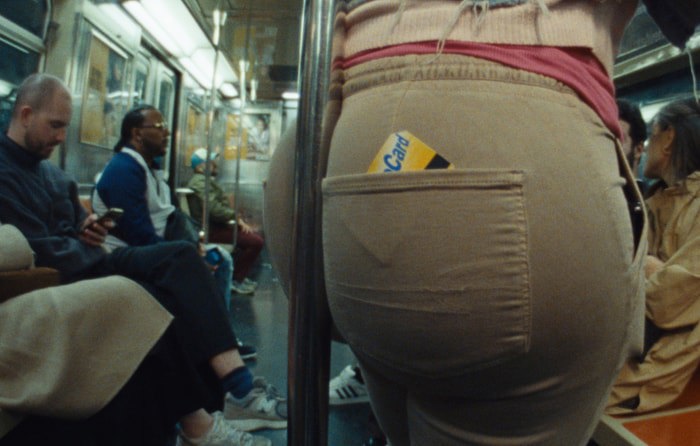
Survival Ceremony
Nobody
Dark Web: Crossing the Uncanny Valley
Human traits grow unsettling when an android explores what it means to behave like a human at a secluded country home
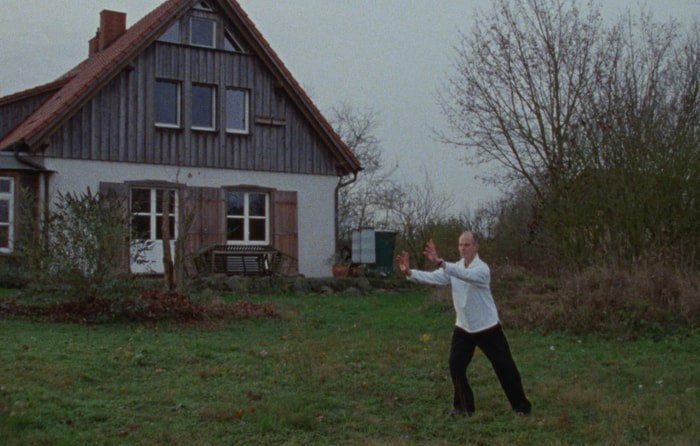
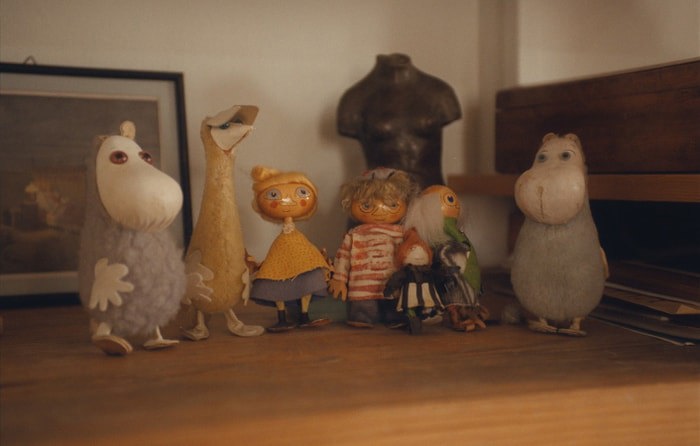
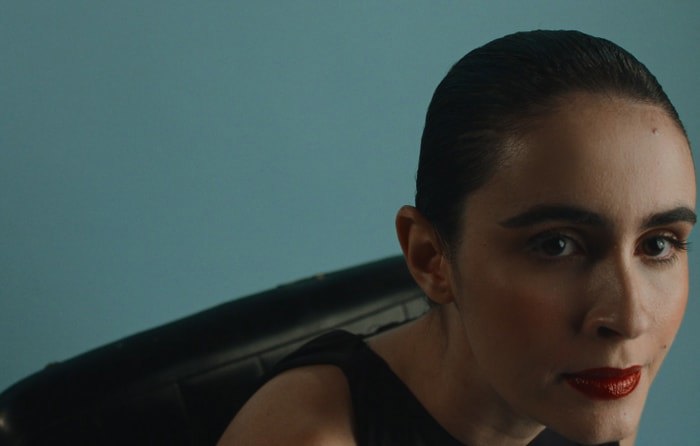
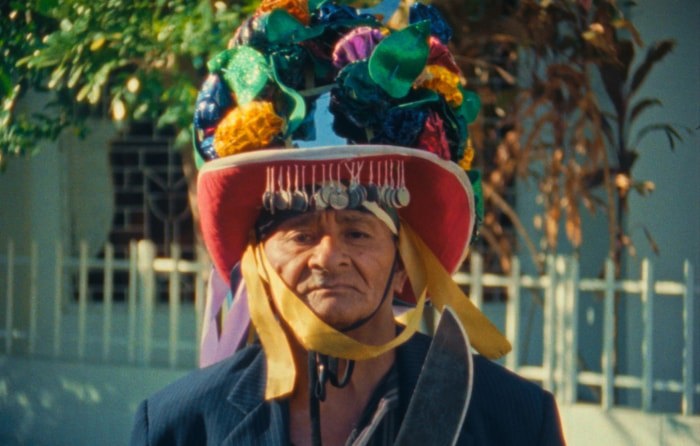
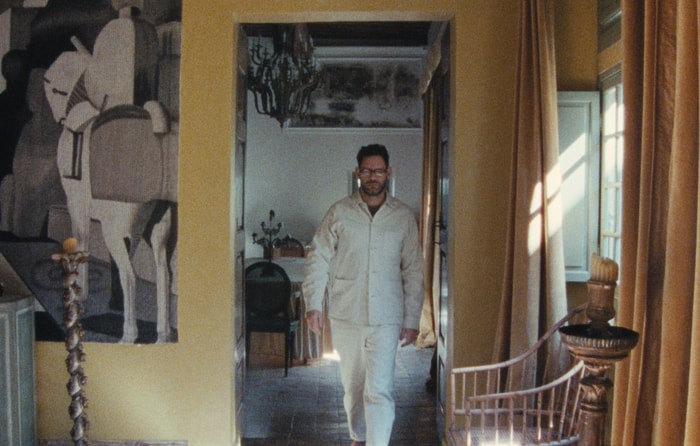
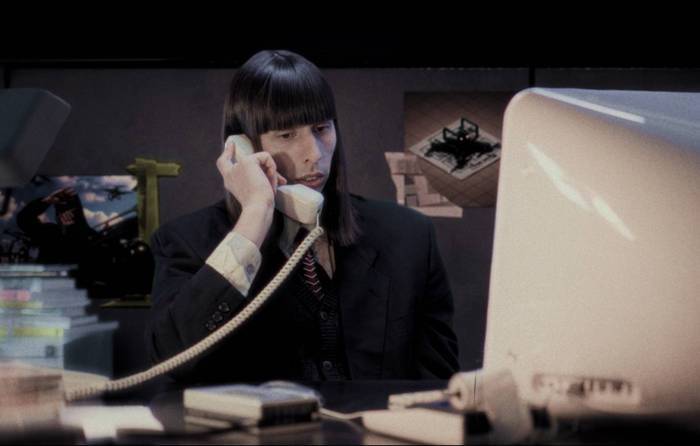
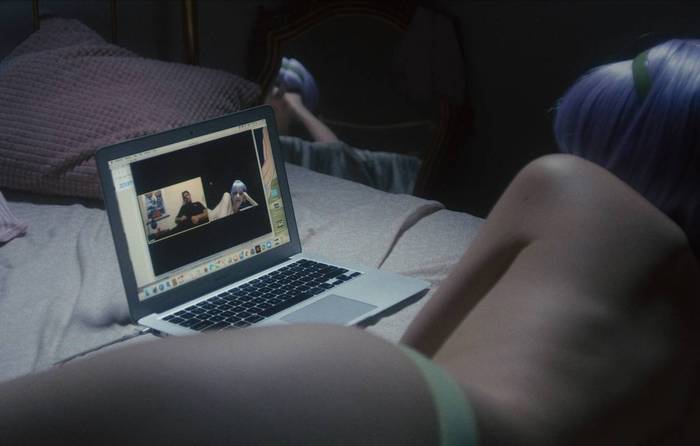
Observing human behaviors when they become distorted, Filipino-American director Brad Tangonan considers how an android might make sense of our actions in the short film Crossing the Uncanny Valley. Striking a balance between the eerie and the familiar, the film follows an android named Isaac to a secluded country home, where he explores what it means to behave like a human from his own outside perspective.
Navigating the ‘uncanny valley’ – a phrase coined by Japanese robotics professor Masahiro Mori in 1970 – Isaac attempts to bridge the gap between the appearance of a true human and that adopted by an artificial entity. But, while practiced, his learned behaviors display as endearing and unsettling, when his childlike curiosity for humans and the world around him fails to fully translate to his movements.
I wanted to approach this sci-fi story from a place of wonder. As an outsider looking in, Isaac examines things we don't even think about – our quirks, habits, and illogical actions. We’re impulsive and unpredictable, and tapping into that spirit of rebellion is part of what makes us who we are.
Developing the film’s visual language to create an organic, inviting environment, Tangonan and cinematographer Andrew Price amplify the nuance that allows us to distinguish reality from imitation. Building on the sense of wonder established by sci-fi writers Ted Chiang and Kazuo Ishiguro, Crossing the Uncanny Valley breaks from the bleak, dystopian visions intended to process our fears, instead looking at the depth of traits we don’t recognize, and difficulties faced by future technologies in mimicking human characteristics through knowledge alone.
August 12, 2024