Still Lives: Toby Glanville
The subtle eye of the intuitive British photographer
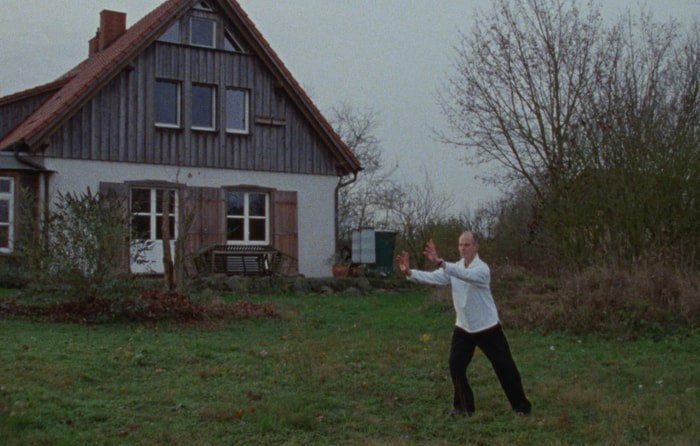
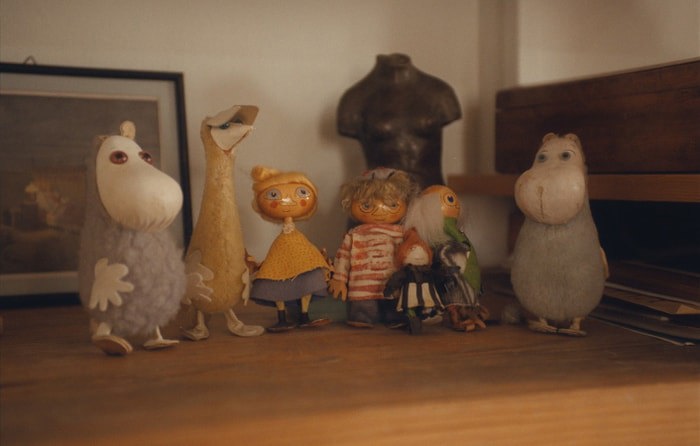
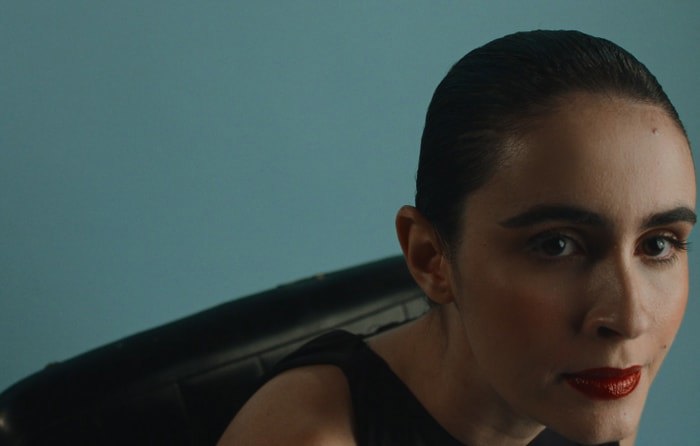
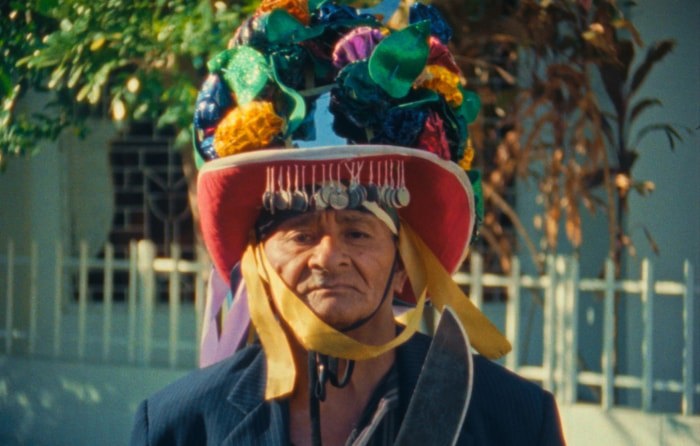
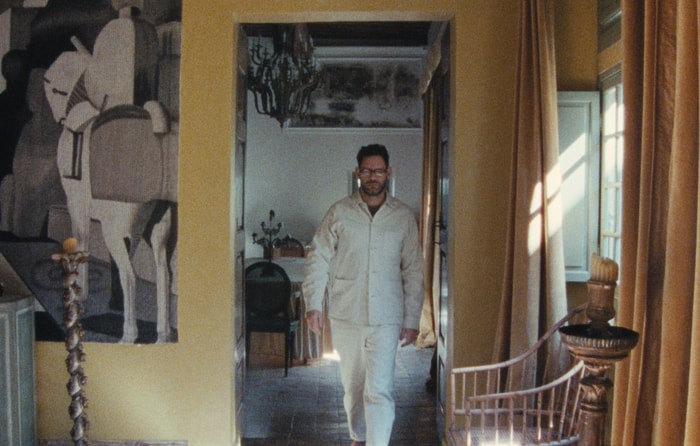
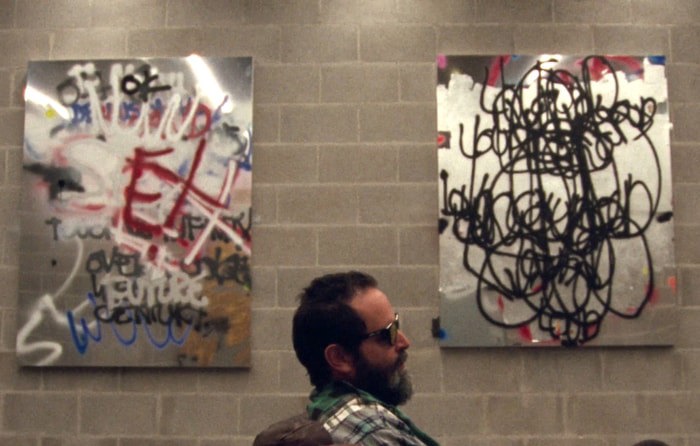
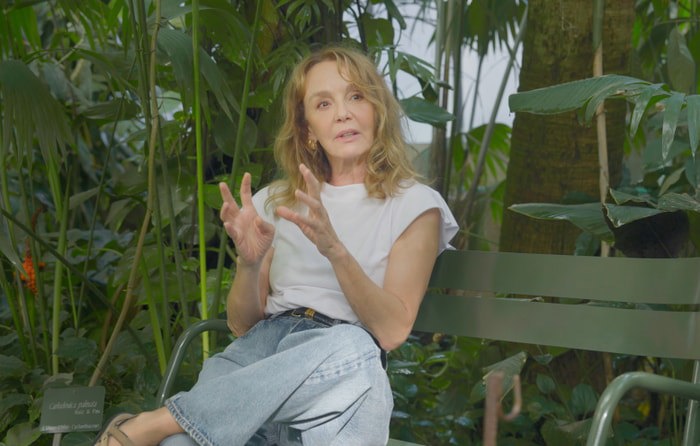
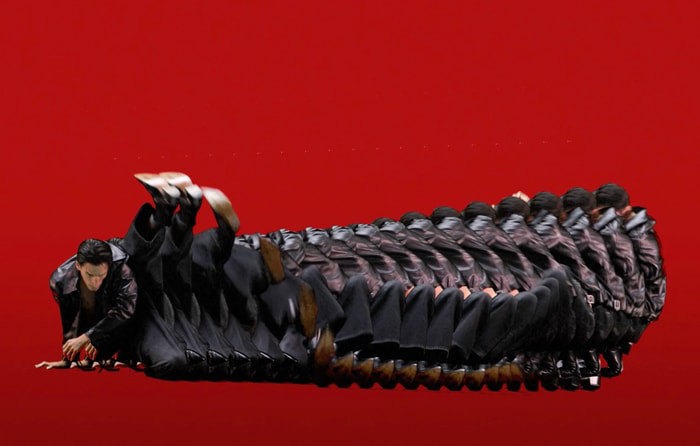
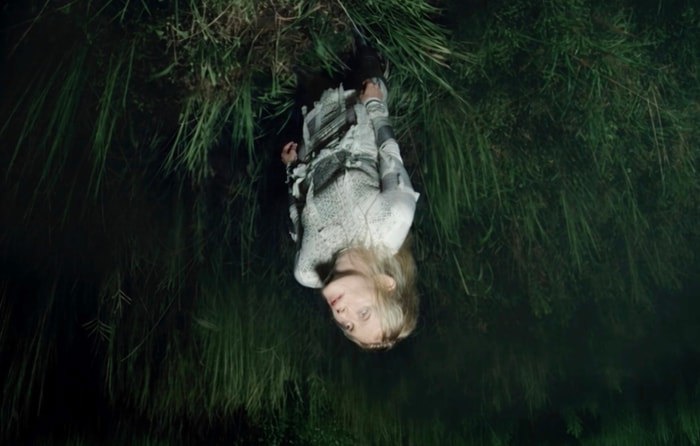
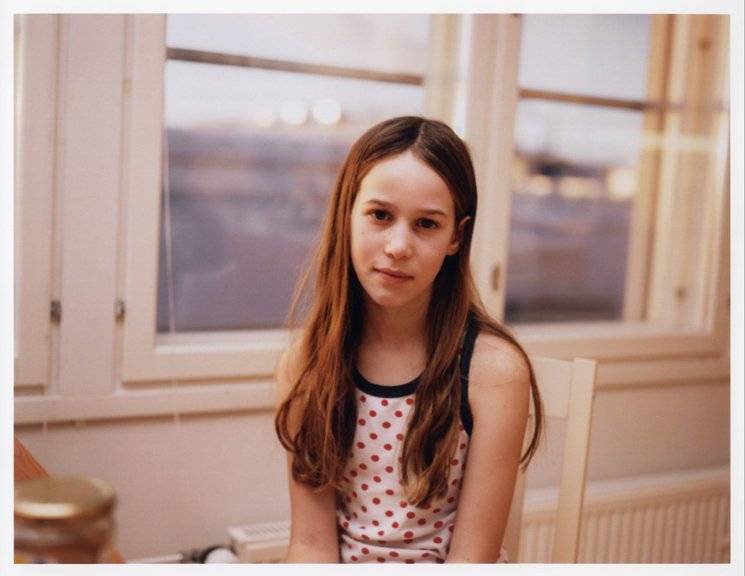
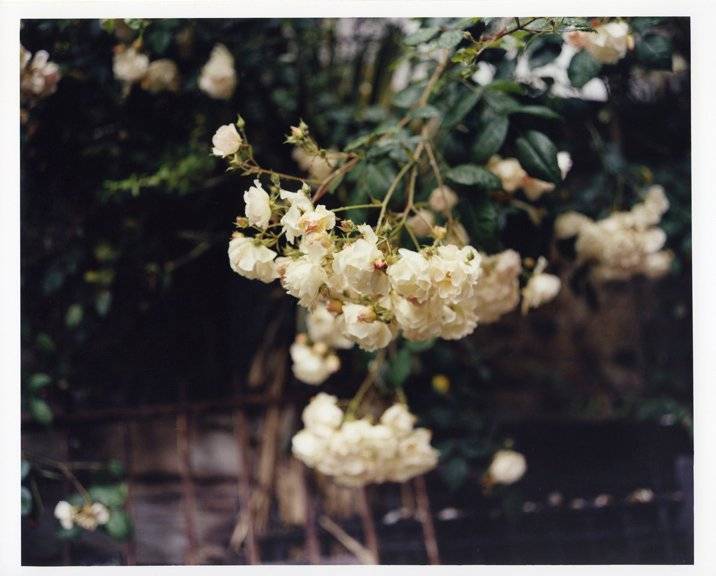
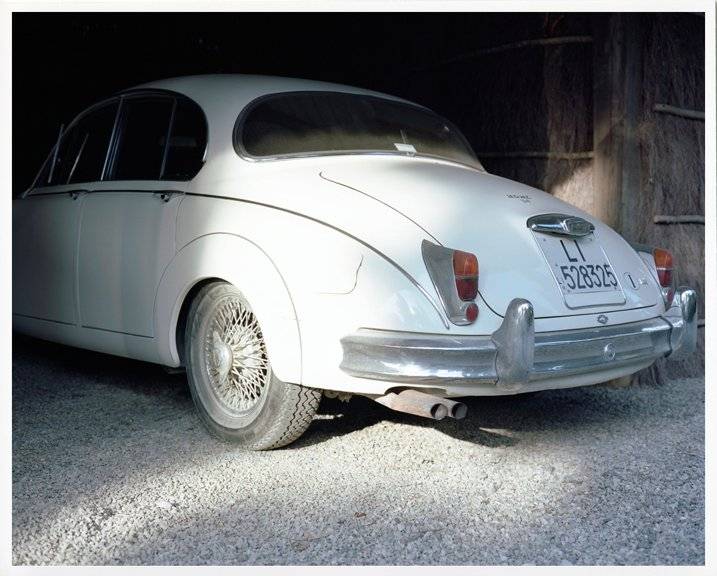
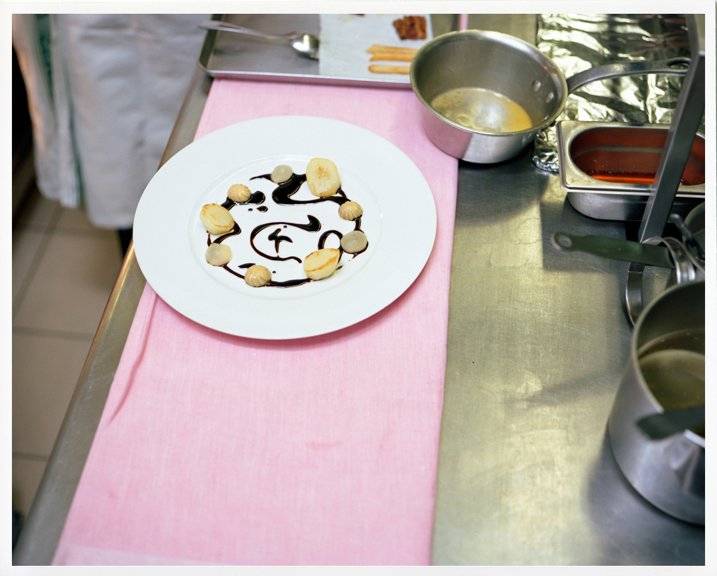
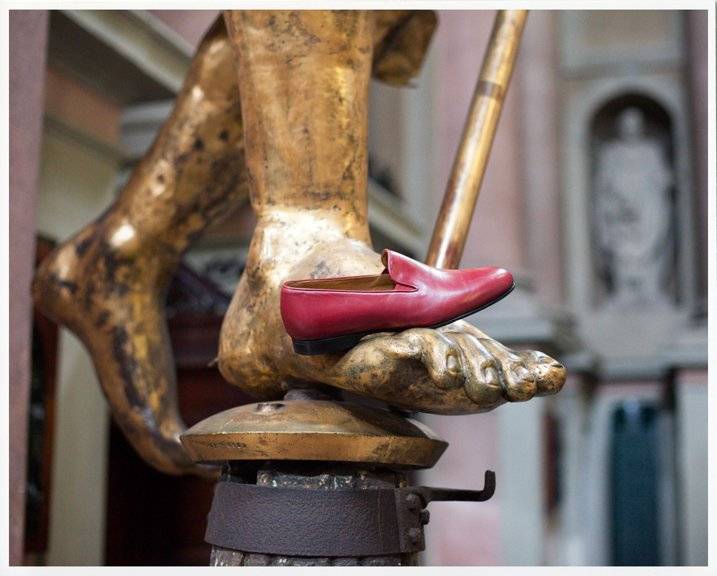
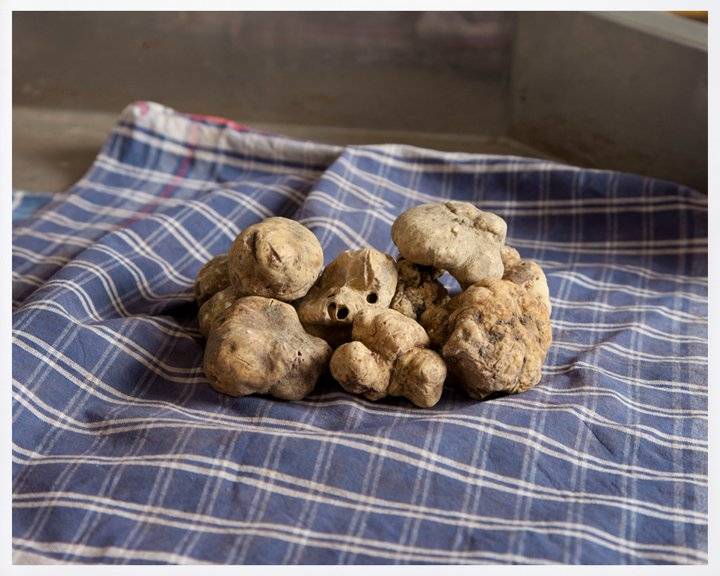
British purveyor of understatement, Toby Glanville, heads up our series spotlighting the story behind three of our longtime photography contributors. Glanville has photographed Pope Francis’ favorite shoemaker, toasted a foraging trip with Carlo Caporicci over “five fingers of Campari topped off with Prosecco” and honed in on Carlo Cracco’s supreme risotto. As he previews a new series inspired by TS Eliot’s Four Quartets including a picture of his daughter Bella, the photographer whose work features in the collections of London’s National Portrait Gallery and the Victoria and Albert Museum talks street food, time machines and the genius of Nadar.
When did you first pick up the camera?
Toby Glanville: I was first given a camera—a little plastic thing—when I was about six, and then later I started getting properly into photography when I was given a Polaroid for Christmas. It’s got to the point where I don’t know what else I’d be doing if I didn’t do that. In terms of impetus I remember the father of a friend of mine was a cameraman, a film cameraman, and I thought that was incredibly glamorous. They used to film Olympics and World Cups in the 1970s, and I thought it might be an interesting thing to do.
What have been some of the biggest influences on your work?
TG: Boris Mikhailov’s pictures, which are showing at London’s Photographer’s Gallery at the moment, were incredibly inspiring. I’m also influenced by 19th-century portraiture, people like Nadar. We’re so overwhelmed by photography and images now that I find going to the National Gallery something slightly more inspiring than a photograph, in a weird way. It’s another way of looking.
You’ve documentated many chefs and restaurants over the years. What’s the most memorable kitchen you’ve been inside?
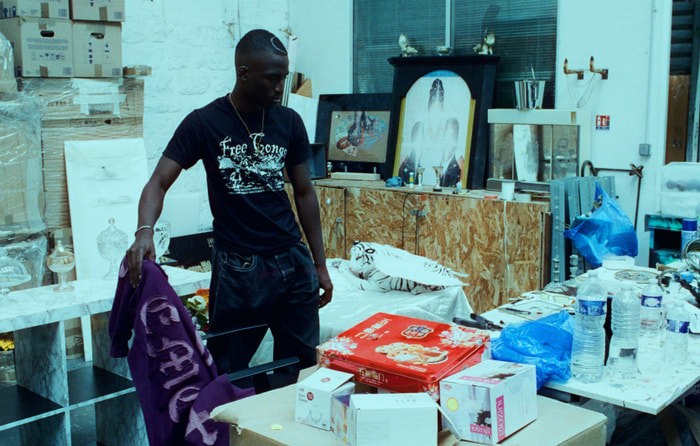
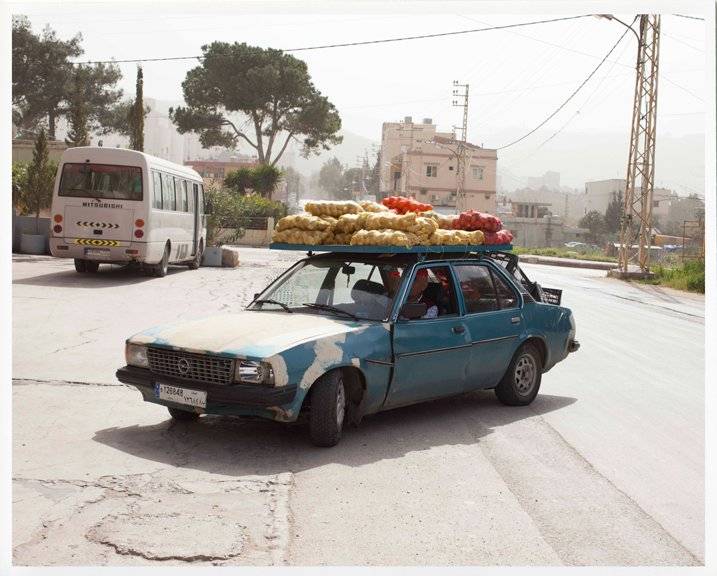
TG: The Cracco kitchen I shot in Milan for NOWNESS was pretty extraordinary. But I’m not very good at swanky restaurants; I like street food. In London I love the places up on Golborne Road. There are these amazing Moroccan stalls. The markets in Sicily and Naples are also fantastic. A lot of what we see in London and high-end restaurants is a slightly dulled down version of what you find in a Mediterranean street market. I was in Beirut recently walking towards a shipping container, and two of them had been put together and converted into a roadside cafe—I ate the most fantastic chicken with a glass of raki.
If you could have anyone take your portrait who would it be?
TG: I hate having my picture taken. I know what an ordeal it is to do so. But if there’s one photographer I’d like to meet, if I could get into a time machine... I would go back to Paris whenever Nadar was shooting in the 1850s. I wouldn't mind being around then.
What's next, subject- or series-wise?
TG: I did a series of pictures of the late sculptor Anthony Caro, which is published in a Phaidon monograph this October. I shot a lot in his studio, through to very poignant images just after he died. I traveled the day after he died to shoot the installing of his show at the Correr Museum in Venice. There’s this extraordinary sight of his work being craned into barges, carried across the lagoon in Venice at dusk, and he died that week. I was the only person there taking pictures at this very quiet but rather extraordinary event.