MAKAI

Endurance Test: A Force Moves Against You
Get Lit
Director Jenn Nkiru and jazz saxophonist Kamasi Washington tread the streets of Los Angeles with a star cast for a new short film
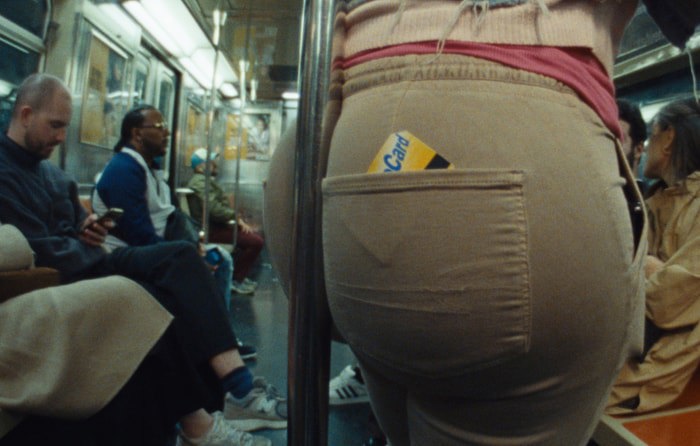
Channeling sonic vibrations into a pulsating visual narrative, short film Get Lit marks an ambitious new collaboration between British writer-director Jenn Nkiru and jazz saxophonist Kamasi Washington – released to coincide with Juneteenth.
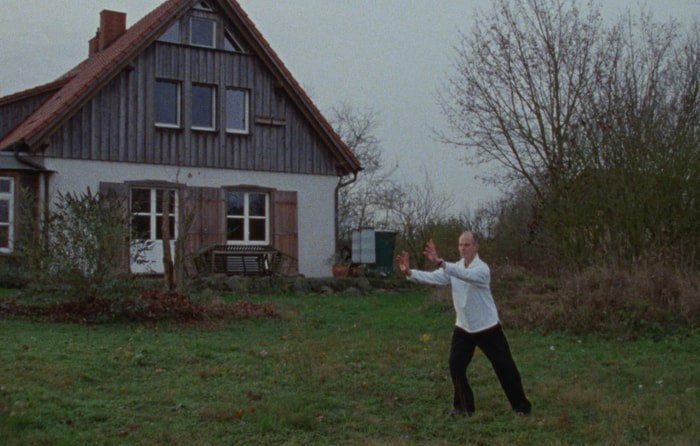
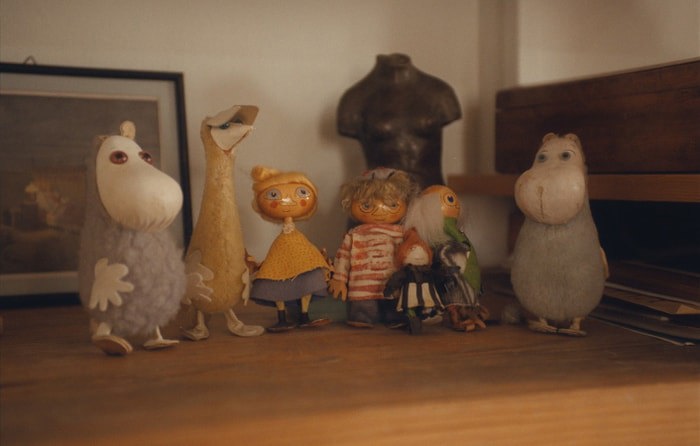
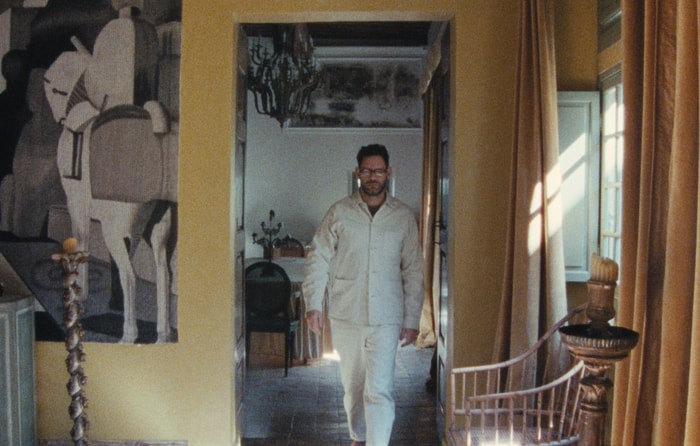
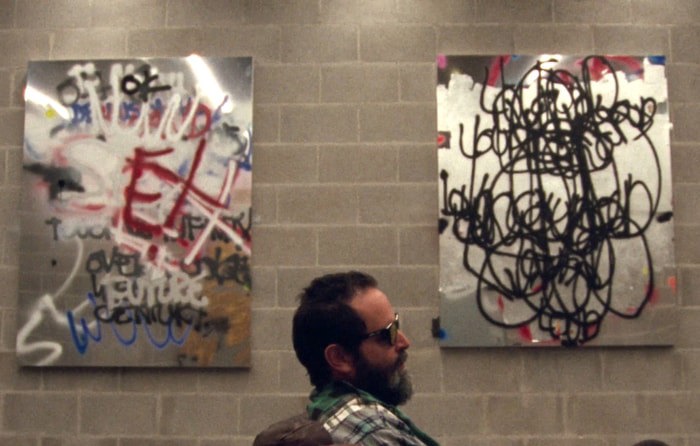
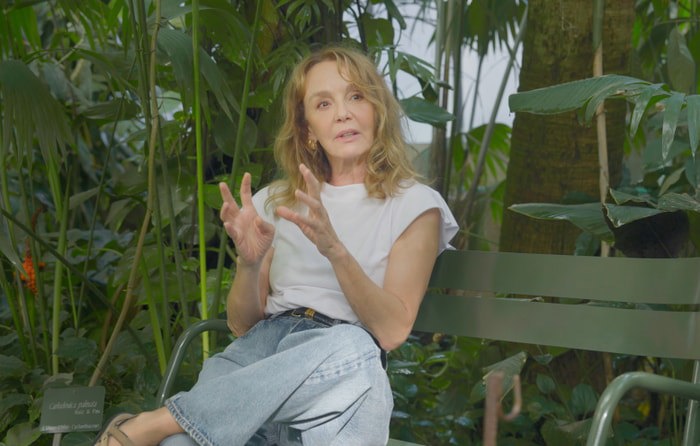
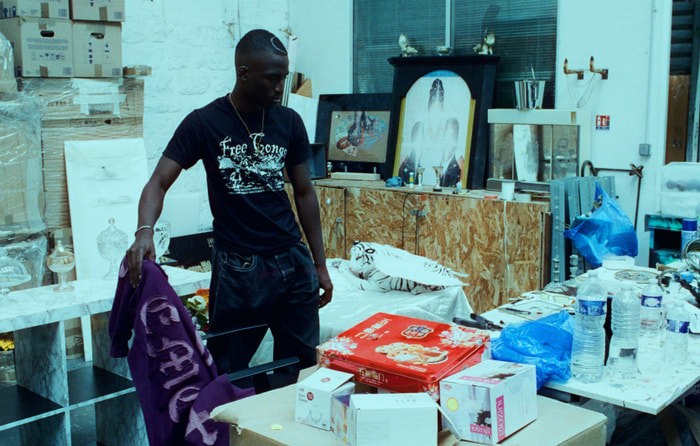
Shot around the Leimert Park neighborhood of Los Angeles – where Washington first found his sound – the film casts legendary musician Saul Williams alongside long-term band member Patrice Quinn, and Washington himself, with a host of cameos including Parliament-Funkadelic icon George Clinton, rapper D Smoke, Willow Smith, Raphael Saadiq, and Robert Glasper.
Taken from Washington’s acclaimed 2024 album Fearless Movement – released on Young – Get Lit constructs a musically-charged world around the track of the same name, positioning his distinct jazz sound as the beating heart of the district.
How did you first connect over the project?
Kamasi and his manager Banch reached out and I loved Get Lit on first listen – Kamasi Washington, George Clinton and D Smoke on one record I thought was so special, so genius: the blend of jazz, funk and hip hop, as well as three generations of artists on one track, is a rarity.
I joined forces with my cinematographer, Benoit Soler. Benoit is a visual master. We took a lighting effect I wanted to the next level, which is what you see throughout the film. There’s a special alchemy that occurs when he and I join forces – we’ve made some of our best work together, including Hubtones for Kamasi, and I’m so excited he and I got to collaborate here. We had a fantastic crew who really rallied around the idea and worked so hard to make this film possible. I’m indebted to them – we all had a fun time together.
What did you want to communicate through the narrative?
We hopped on the phone and Kamasi expressed the themes he wanted to explore: movement, performance, ideas of place. I took this and churned it through my perspective – my mind’s eye – to result in what we have now. Leimert Park as a location, a character, was an aspect we knew we wanted to incorporate. Equally, there were themes around Afro Surrealism I wanted to explore.
How did your filmmaking and Kamasi’s music inform one another over the process?
As a collaborator, I’m a big fan of Kamasi. There’s a confidence and clarity of vision he possesses – he is able to trust my process, which gives me space to free flow and just run. I knew I wanted to deliver a piece that would fire on all levels and give our audience something tangibly real, something they could feel as well as watch and hear – I wanted it to be experiential. Kamasi was so generous of spirit: I remember asking for the stems to Get Lit and The Visionary – he sent the stems, no questions asked, and I was able to build the sound design for the film which resulted in the beautiful call and response between the visuals and sound as it appears now. This film serves as my first official credit as a sound designer which is super exciting.
This piece is a part of a continued thought partnership Kamasi and I established in 2018, when we worked together on a piece called Hubtones. Though different in execution, there is a through-line around the interiority of Black life – extrapolations of inner workings, the inner psyche materialising abstractly in the outer material world. I wanted to create a space for liberation and freedom. Get Lit is a fun and playful mind trip of all these things and The Visionary – heard at the end of the film under Saul’s poem – brings it all home, speaking to our futurity in the most concrete of ways.
What were your key visual references for the film?
There are a couple of subtle easter eggs that call back to Hubtones in Get Lit for those that can find them! Referentially, most initially, I looked at Spike Jonze and Mark Gonzales’ wonderful short: How They Got There.
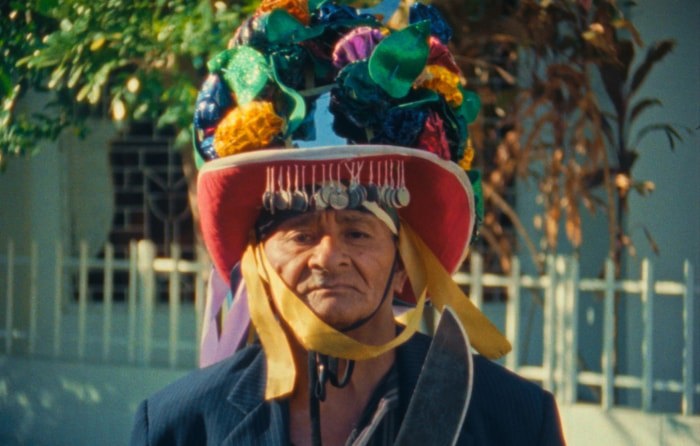
I knew I wanted interplay between sun and moon (day and night), as well as elements of magical realism, and Afro Surrealism. I spent three weeks in Leimert Park leading up to the shoot, building the story out, familiarising myself with the community in Leimert Park and vice versa. This allowed me to study the space as a character – its quirks, idiosyncrasies and energy. It was in this process that I found the film on its deepest level. I knew for The Visionary, I wanted to gather a tribe of local visionary artists at a special backdrop somewhere in Leimert Park, only to arrive and learn Leimert’s landmark theatre was named The Vision Theatre – how kismet is that?
How did you assemble the cast and cameos?
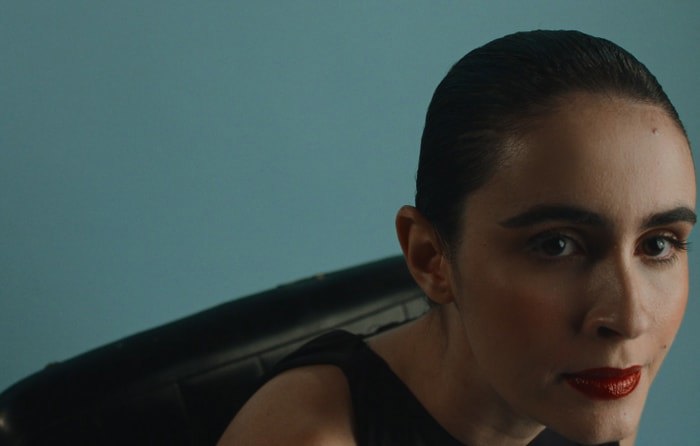
Casting wise, between Kamasi’s beautiful community of artists and those I knew I wanted to feature, we were able to land on the players seen in the film. I previously directed Saul Williams in a couple of episodes of HBO’s Random Acts of Flyness – I loved working with him and how he played as an actor on set. Saul is a brilliant artist with many talents, most famed for his poetry, but I was really keen to engage with him as an actor. He is so attuned to inner, liminal workings, so we were able to workshop the character I created into what you see on screen. Equally brilliant, Patrice Quinn, the front woman of Kamasi’s band is an interstellar being. I’ve seen her live at their shows and was always curious about how to translate her brilliant potency to screen. She is also an actor and between she, Saul and I, we were able to get deep and push the characters to weird, wonderful and exciting limits.
We have cameo features from Willow Smith, Raphael Saadiq, Lelah Hathaway, Robert Glasper, Terrace Martin amongst so many brilliant others. Between my wishlist and Kamasi’s beautiful community of artists, we were able to create this moment which, in hindsight, we recognise now harkens back to the image of A Great Day in Harlem – again, so kismet. I asked Saul to write and recite something for us and what we see and hear on screen is what he delivered on the day. It future-casts the piece in a way that really grounds it. This film is an exercise in community art making in the truest sense.
June 19, 2024