What Remains
James Surls
Raw Materials: Frank Bowling
At his London studio, the celebrated British artist exchanges notes on Guyanese light, his intuitive process, and defying the limits of paint with critic Martin Gayford
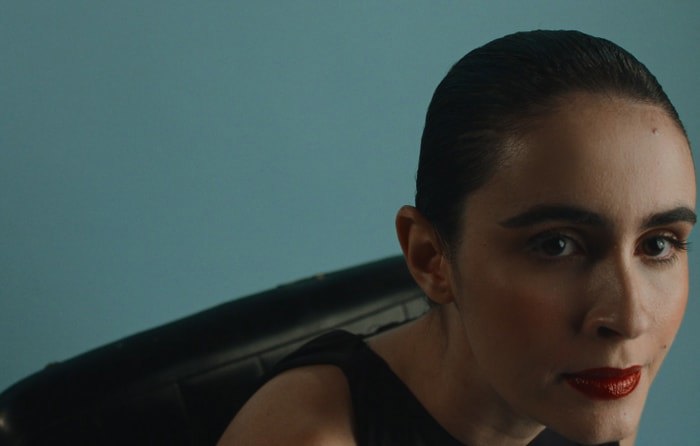
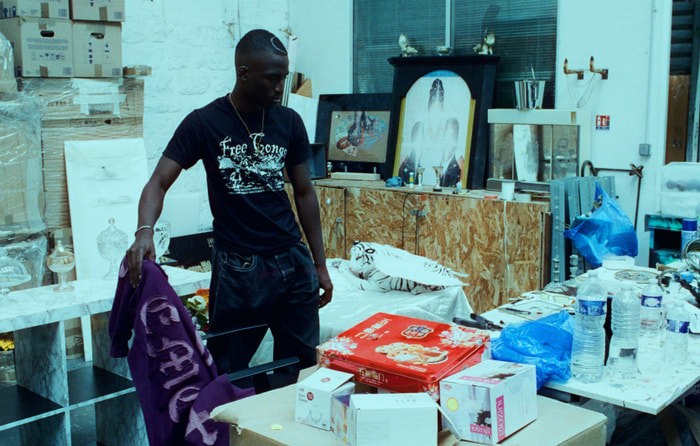
Born in British Guiana – now Guyana – celebrated London-based artist Frank Bowling has spent over six decades expanding the possibilities of paint. Defining painting as a way of thinking rather than explaining, his work reflects on intuitive color and the distinct quality of Guyanese light, utilizing gravity and chance for poured paintings that build layers of color into heavily textured canvases.
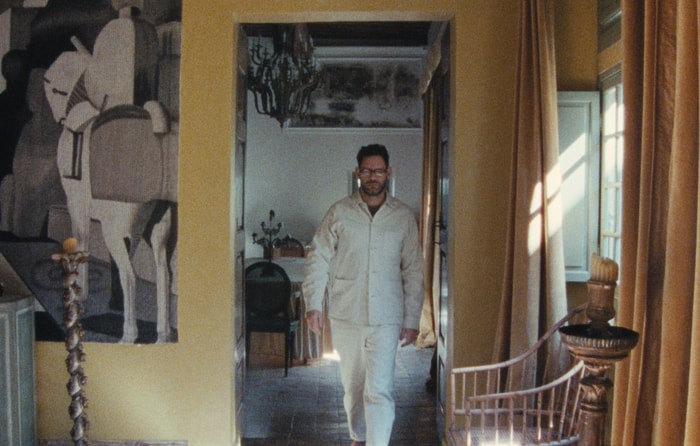
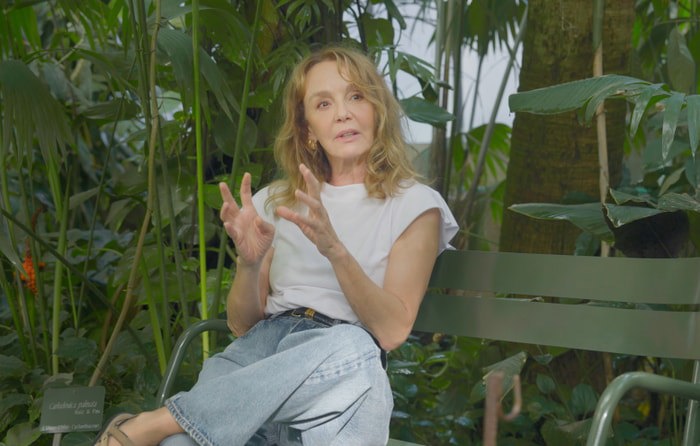
Since graduating from the Royal College of Art in 1962, Bowling has developed an ambitious practice that closely engages with the materiality of his medium, continuing to paint daily while adapting to working from a wheelchair. Talking to friend and art critic Martin Gayford, he opens conversation about memory, process and perception for the short film Frank Bowling: Seeking the Sublime – directed by Lucy Andia and Frederick Shelbourne for the Fitzwilliam Museum in Cambridge.
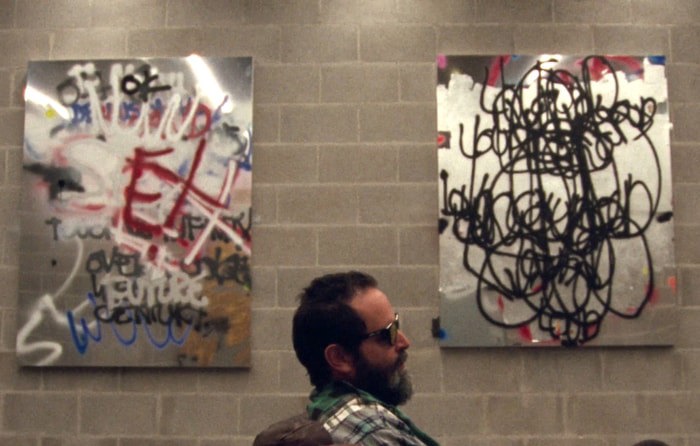
We worked closely with Frank Bowling’s studio and archivist to source archival material that could sit in dialogue with the newly shot footage. Historic photographs and documentation act as contextual counterpoints to extend the film’s focus on process, continuity, and lived experience.
- Lucy Andia & Frederick Shelbourne
At 92, the documentary meets Bowling in a moment of late-career clarity, observing his fluid evolution into abstraction, and a professional life that traversed the Atlantic several times over, between London and New York. Coinciding with the retrospective exhibition of the same name, Frank Bowling: Seeking the Sublime connects the artist’s archives with new footage captured at his London studio, documenting the shifting process and perspective of one of the foremost artists of his generation.
July 13, 2026