LGBTQIA+ Kids

Save Yourself
ephwaipi
Two girls fantasise about making a declaration... To the world
Join us every Friday for the month of August for new films from our sister-platform NOWNESS Asia.
Youth is overrated. Depression, cynicism, rebellion. Poetic, and beautiful. How caricatured. Like how everything sounds better in French, even if it’s merely Google Translated. So we are here, to destroy the camouflage. Back to our reckless but satisfied souls and bodies.
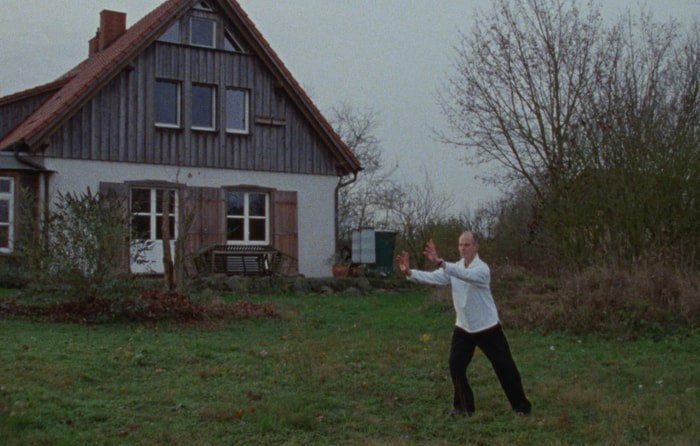
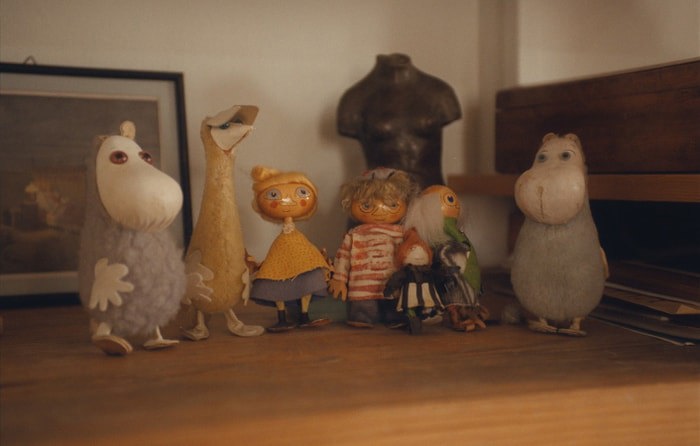
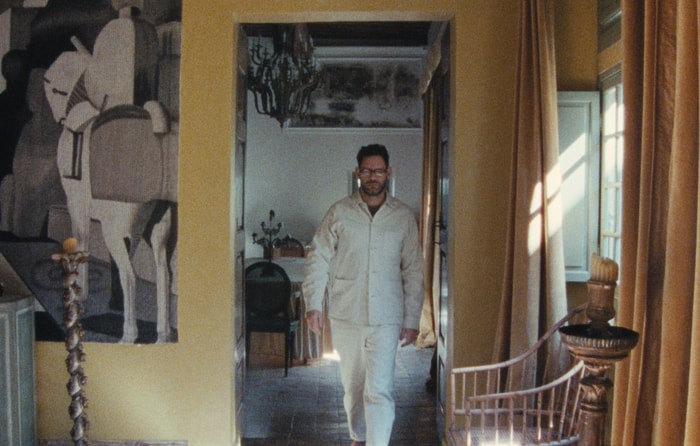
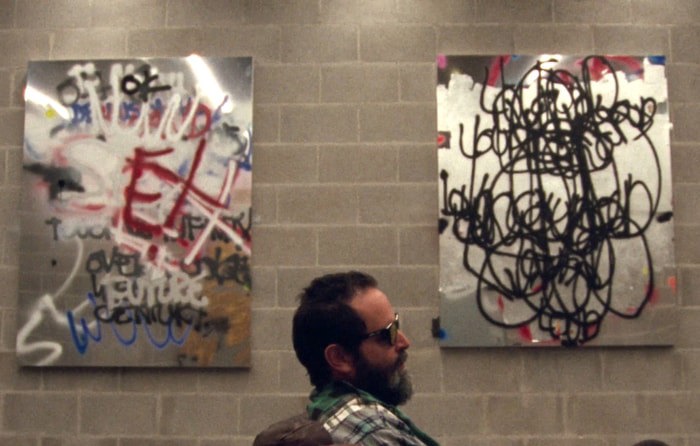
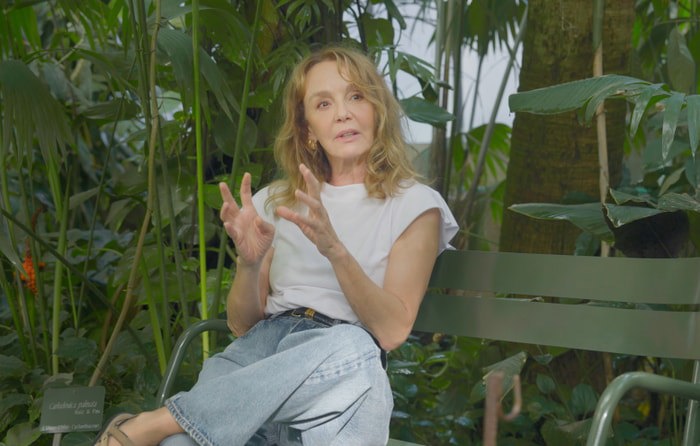
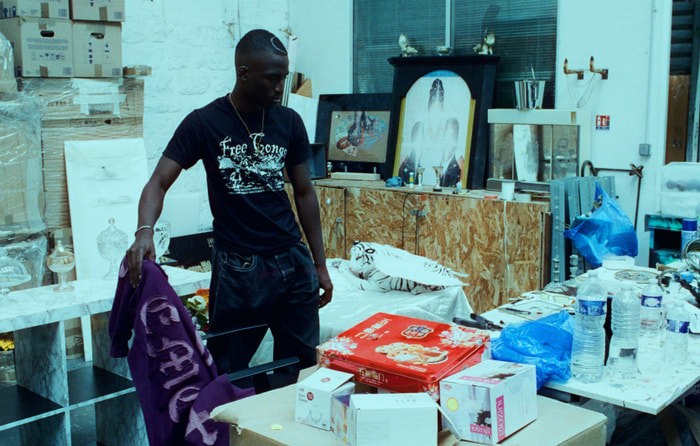
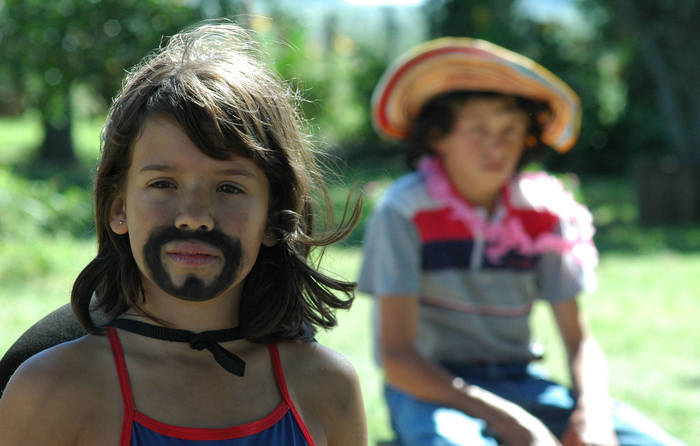
Ephwaipi, a homophone of ‘FYP’ (Final Year Project) is the debut short of Kitty Yeung and Candice Ng. The film, which also acted as their graduate thesis film, is the manifesto of two teenage girls about gender, romance and labour exploitation. Together, they seek to declare freedom from their teachers, lovers, bosses, and the most notorious villain of all — social norms.
I wanna be a rebel, but like the characters in our short, I always end up imagining how I should react instead of actualizing it
The two leads are strong independent women, but they also have their fair share of vulnerability. They want to change the world, but are afraid of being the ones to change it. So they fantasised, and eventually realised that it was never just the GIRLS against the WORLD. It should have been the PEOPLE against the WORLD. So what’s more to fear?
ephwaipi is not merely an ordinary coming-of-age story featuring love-struck school girls or caged Catholic girls. Their struggles are greatly intertwined with social norms and the prevailing culture of Hong Kong. It includes moments of breaking the fourth wall, and features behind-the-scenes footage of the directors while filming. By using this unconventional format, Yeung and Ng hope to reflect and capture a new way of storytelling, and to challenge how films are traditionally made to gratify the audience.
It was awarded Honorary Mention at the 2019 Sundance Film Festival: Hong Kong Short Film Competition and was selected as a Finalist at The 25th IFVA Festival (Open Category).
Here, the two creatives share with us their thoughts and experiences on effecting change, facing constraints, and their creative process.
On why it can be terrifying to change the world
Candice Ng: Many of our elders tell us we’re not supposed to. They think that the world has been this way for years, and yeah, maybe it doesn’t work very well, but who cares. We’re told not to care about it. I’m also worried about screwing up whilst trying to make a change, leading to us never being able to initiate change ever again.
Kitty Yeung: The scariest part for me is having to introspect and face my true self; to admit that I am a contributor to the world in its existing form. Afterall, it takes courage to overthrow something that you have been brainwashed over, and it just seems like I haven’t got the guts for a big, real revolution.
On being unhappy with the state of affairs
Kitty Yeung: It’s not easy to make actual change happen IRL. I often feel like a coward.
Candice Ng: Yes, this. And also becoming the kind of people we despise.
Kitty Yeung: Same here. Although, I think it’s important we continue to assess humanity's ‘dark side’, and continue to hope for a paradigm shift. Or am I being too optimistic?
Candice Ng: Yes, we need to be challenging authority. ALWAYS.
I think it’s important we continue to assess humanity's ‘dark side’, and continue to hope for a paradigm shift
On being exploited
Kitty Yeung: I remember once receiving HKD$800 as a videographer for work on a 19-hour shoot. Everyone should be paid fairly. It doesn’t make sense to exploit someone just because they are young or because they are students. That doesn’t justify underpaying people, neglecting their contribution and quality of work. It's not about money, it's about fairness.
Candice Ng: Things do get better with time, but it doesn’t justify it though. No one deserves to be underpaid. I think I'm constantly bullied by my clients. Does that make sense?
Kitty Yeung: Are we also our own clients, in a way? A client could be anyone, and if we do care about how others think, they become our “clients”. By stepping into our “clients” shoes, we somehow end up constraining ourselves.
Cc: Yeah, at this point, I’m becoming my own slave T^T we call this 自我閹割 (self-castration) in cantonese. Like self-censorship, but not due to politics.
On being constrained professionally
Candice Ng: Physically, there’s the constant back pain and wrist pain from using a laptop. Mentally and emotionally, there’s the lack of faith from a boss or a client. Sometimes I feel like doing something no one has ever done before, or just something new in general. But my seniors tend to prefer doing things the “normal way”. And isn’t that the reason behind the death of Hong Kong’s art and culture industry? Because so few people are willing to take risks. Just look at our shitty TV dramas. Is that what we live for?
Kitty Yeung: Or sometimes, people try to be “special” just for the sake of being special. But they exist because there is reception from the audience.
Candice Ng: Sometimes I do look at work done by both myself and others, and I think: What’s the point of all of this?
Kitty Yeung: What I hate is the concept of a job or employment under capitalism. I want to have a practice without having to commute every morning in a crowded train carriage during peak hour, filled with deadpan expressions. I don’t want to be contained in an office five days per week with air-conditioning that’s always at 21 degrees Celsius. When I witness Hong Kongers being enslaved, queuing up at the bus stop and dying to go back office during a typhoon, I feel so bad.
I guess we were never truly free
On creativity
Kitty Yeung: Being carefree and improvising on set is so much fun. It worked out well thanks to everyone’s involvement. We tried to subvert the conventional way of dividing labour during production - everyone was treated equally, and their comments were valued one and the same, but do you think we achieved that?
Candice Ng: I can’t remember, it’s been a year now. But I did enjoy filming the final coffin scene very much. Filming in the rain until 3 am is not something I'm willing to do again, but I do love my friends and classmates for sticking with us and questioning our decisions amicably.
Something that I didn't realise until reading the IFVA Jury's review of our short, is that while we took pride in challenging traditional narratives of storytelling, we still unconsciously included elements from conventional filmmaking, like mimicking the aesthetic of fashion videos or staging shots versus improvisational documentary moments. I had never really thought about it. Apparently the jury thought the juxtaposition was ironic and the contradiction was interesting. That was not our intention, at least not mine.
It's so natural for us to internalise and replicate what we’ve watched. We were already unconsciously conditioned to film certain shots in a certain way. It's impossible for me to have a blank slate because whenever I need to create something, I instinctively search for visuals I have seen and combine pieces together until what was on my mind becomes complete. Aaaaand the thing with my work currently is that we are constantly asked to provide references to illustrate our ideas, just because cLiEnTs aren't able to visualise it otherwise. I guess we were never truly free, haha. I'd love to forget everything I've watched and learned, just so I can create something truly "original".
Kitty Yeung: Nothing is original anymore, everything is a remix. I do wish to erase all memory of any creative works I've seen, and see what I have left. Maybe nothing, just some meaningless atoms, haha.
Candice Ng: Maybe it doesn’t matter? The thing that’s important is that only we could’ve made this short. Because in that moment, we were there. We were the ones with these specific experiences and we made these ‘artistic decisions’. And we will never be able to do something like ephwaipi again. Because we will never be that version of ourselves at that exact moment ever again.
August 21, 2020