Somewhere Higher

The Touch of the Master’s Hand
Nowness Shorts: 756
After 22 years in prison, a community activist acclimates to her new life in New York City
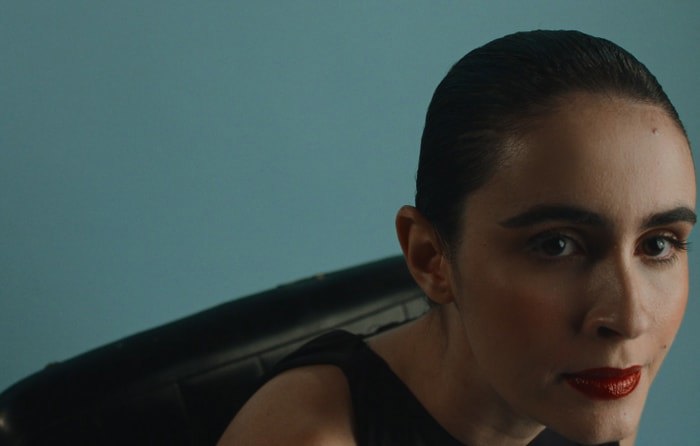
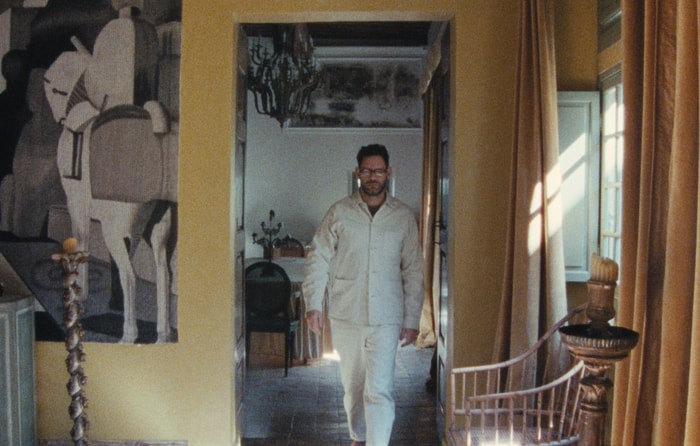
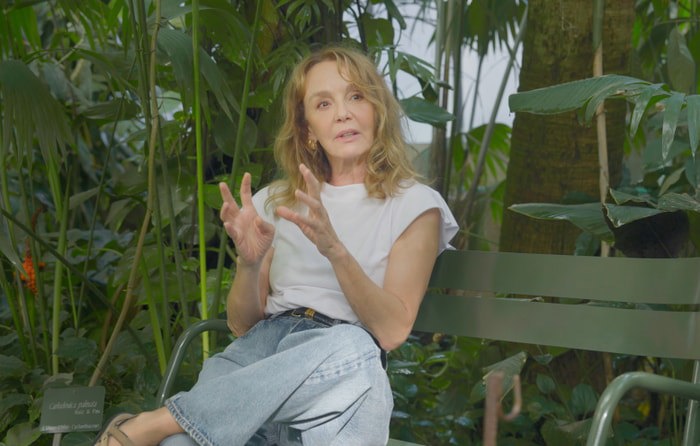
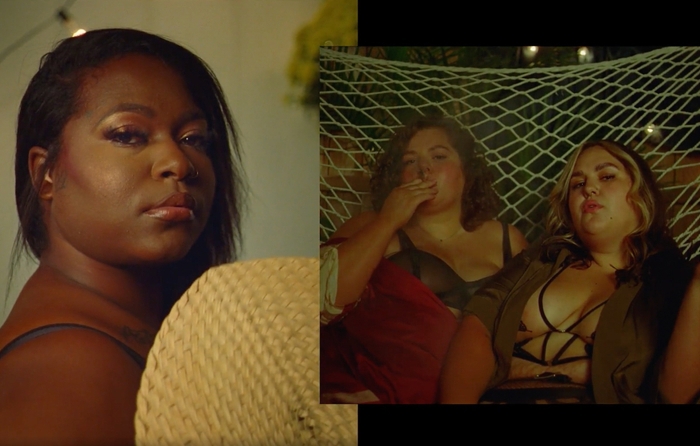
Seven Hundred Fifty-Six is a compelling documentary about Leah, a woman who works across New York City replenishing PPE kits for various businesses, all the while acclimating to life away from twenty-two years in prison. Directed by Andree Ljutica, 756 takes a human perspective on a narrative that is often reduced to statistical analysis. The only numbers Ljutica uses in this visual portrait are in the title, which was the number of days Leah had been out of detention when filming began.
“In our film and in real life, Leah typifies feminine strength through her role as a mother, grandmother, care-taking daughter, and community mentor,” says Ljutica “To this end, it felt more appropriate to focus squarely on her character as opposed to the cold data around incarceration. We took an artful and deeply intimate look into how different life as a formerly incarcerated person on parole is, in an attempt to evoke empathy and ultimately galvanize reform efforts.”
By following Leah’s day-to-day life, Ljutica dismantles the negative stereotypes of justice-involved people and captures the transformative potential of the human spirit. All 756 asks of its audience is to allow and accept that change happens. “With such staggering numbers overwhelming our industrialized prison complex, it's astonishing that talking about felons without a tinge of discomfort still exists,” says Ljutica. “With both [my] parents having been incarcerated, I've witnessed first-hand the emotional confusion that reentry can enable.”
Read on for an interview with Leah Faria about the filming process and her thoughts on justice reform.
How did sharing your experience through this medium impact you?
It allowed me to give the outside world a sneak peek into what a day in my life is like. This platform was something I never imagined happening for someone like me but I met an amazing team of producers who believed in me and realized that the world needed to know me. This medium provided me with a platform to educate others and to highlight that we should not be defined by our past experiences. What’s important is that we learn and evolve from them. It is my goal with this film to touch the lives of people in hopes they realize that there are so many more Leahs out in the world and join my efforts to build systemic changes for women and non-binary people impacted by mass incarceration.
What advice would you give your past self about the journey to acclimating back into society?
I don’t know what I would have told myself differently because our journeys in life are composed of our experiences both past and present and I have allowed mine to continue motivating me to help others. Something I do know now – and didn’t fully realize then – is that being in prison is like being stuck in time. When I went away there was no social media and we still used subway tokens. It was a shock when I came out. One thing that hasn’t changed; the world is turning a blind eye to the fact that females are being incarcerated at alarming rates. To date, 77% of women detained on Rikers Island are domestic violence victims, 86% have mental health concerns and 33% lack stable housing. There aren’t many transitional resources in women's prisons and that is why I am a member of a task force that is committed to ensuring that all women and gender non-conforming people leave prison with the resources they need to successfully reacclimate into society.
What would you like audiences to feel or think after watching this film?
I want the audience to see me for the evolved, hard-working, motivated and compassionate woman I am today and not the broken and damaged 23-year-old I was when I went to prison. Just like you need to read the pages of a book to know what it is about, it should be the same with people. Communities need to invest in people coming home from prison and give them a second chance because at the end of the day many of us re-enter society just wanting to do the right thing.
What incarceration and/or release reforms would you like to see?
I am currently the community organizer for The Women’s Community Justice Association. We are leaders in building change for women and gender non-conforming people impacted by mass incarceration. I would like to see more investment in resources for women and gender non-conforming people impacted by trauma and mass incarceration. I would like to see a new women’s facility centrally located in New York City so that their families, friends and service providers can visit. The framework at this facility should be focused on healing and helping people re-enter their community. I would like to see more judges and DAs utilize Alternative to Incarceration and Alternative to Detention Programs, reducing the number of women being sent to jails and prisons. For far too long women have been treated as an afterthought. I want that to change.
March 21, 2022