Still Lives: Dana Lixenberg
The interior and exterior worlds of the Dutch photographer
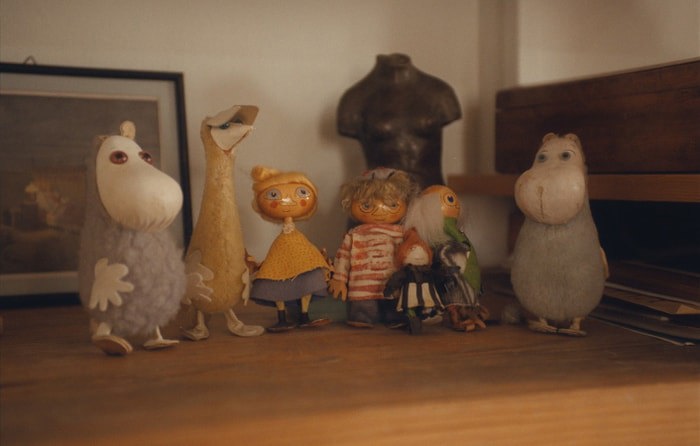
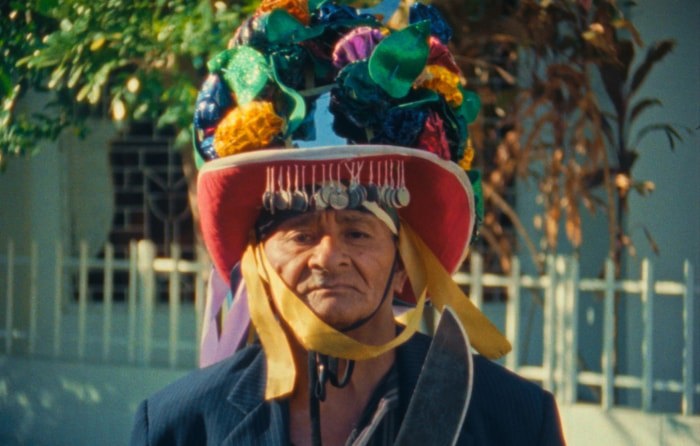
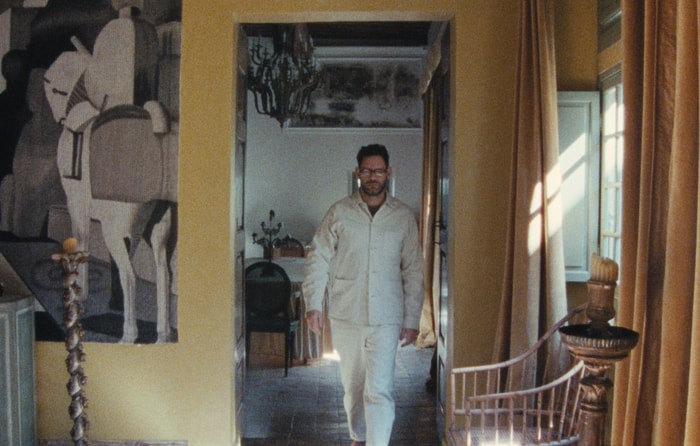
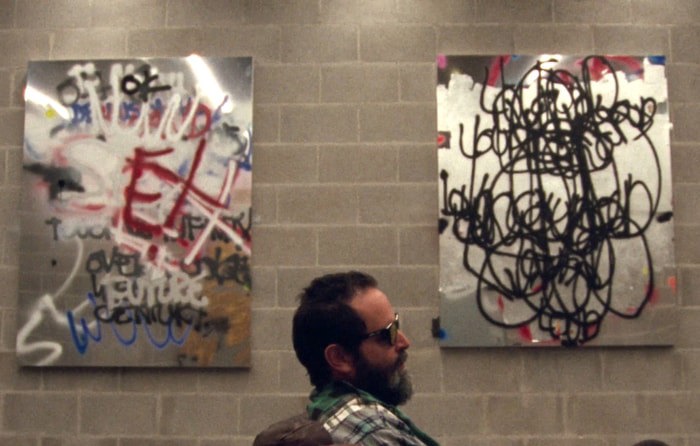
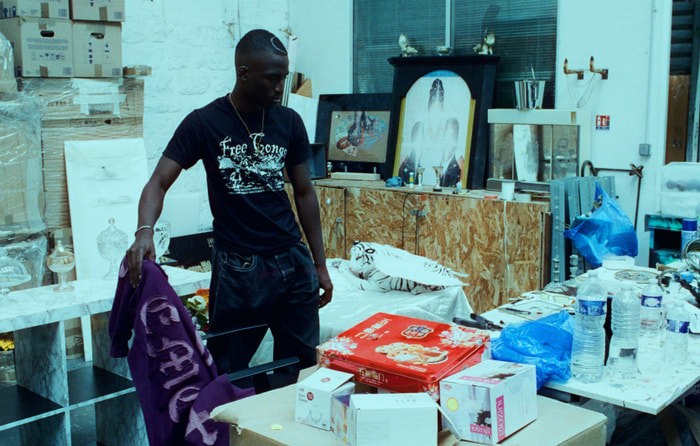
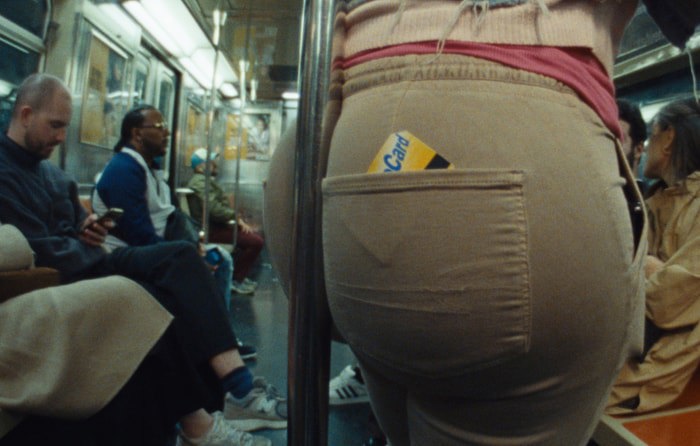
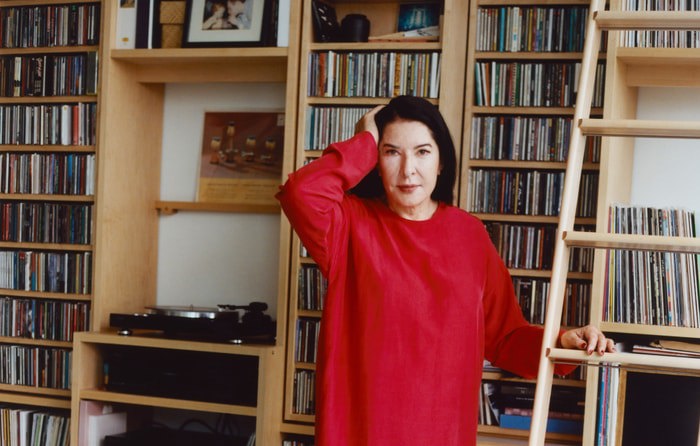
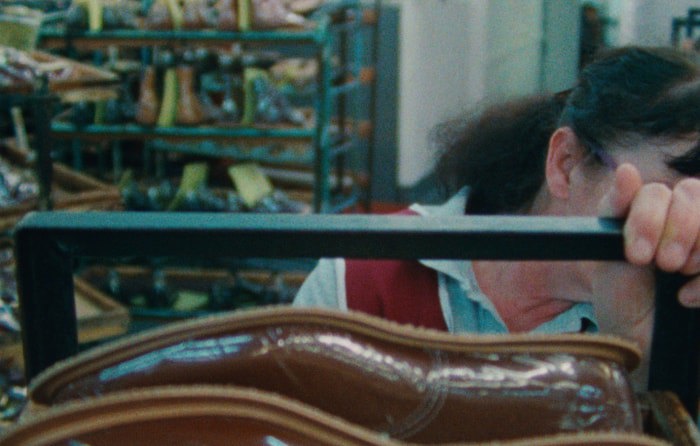
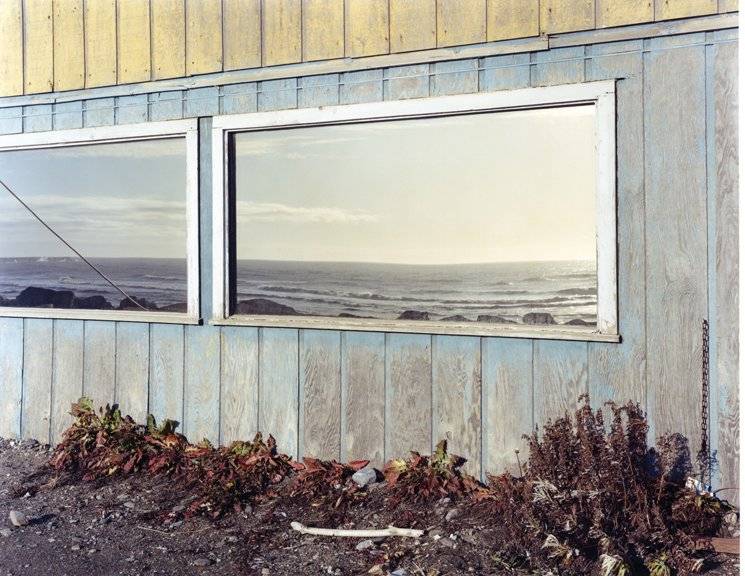
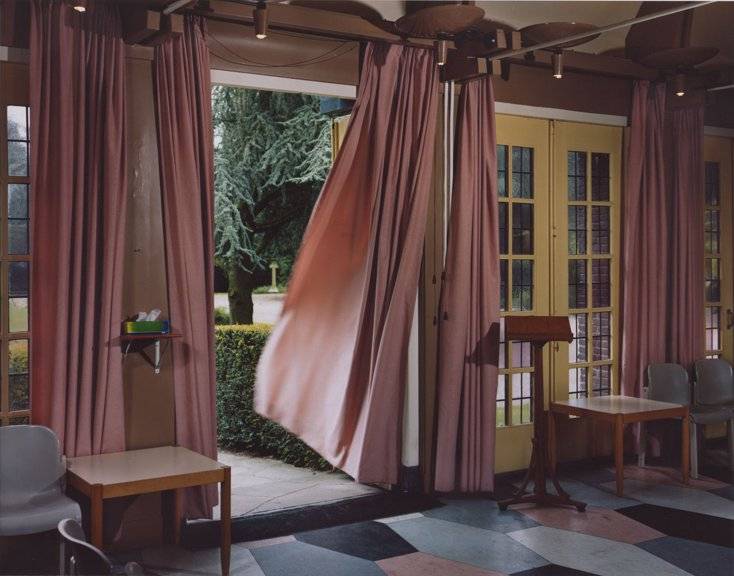
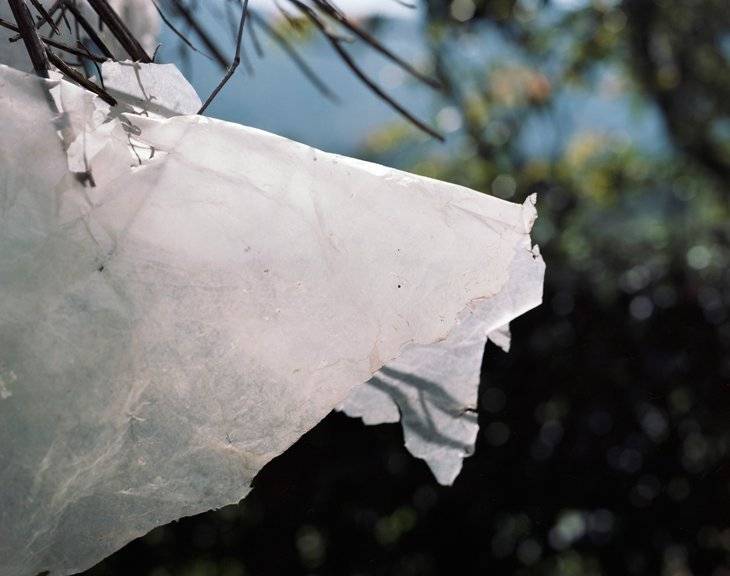
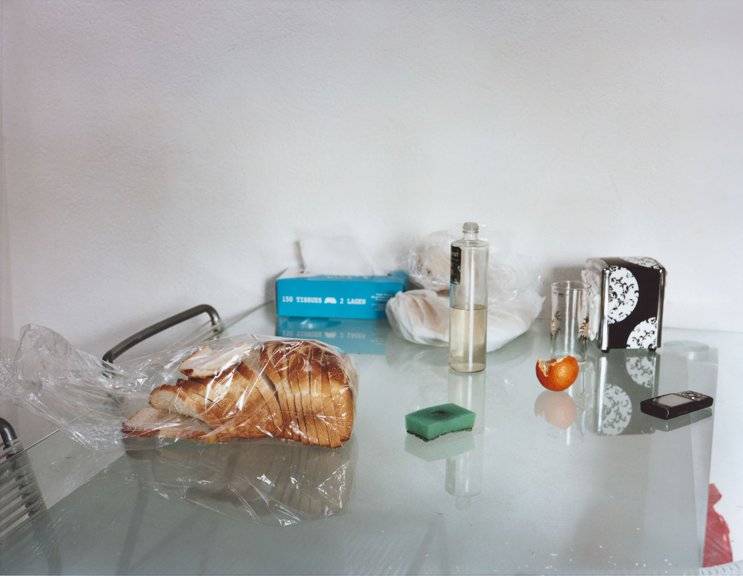
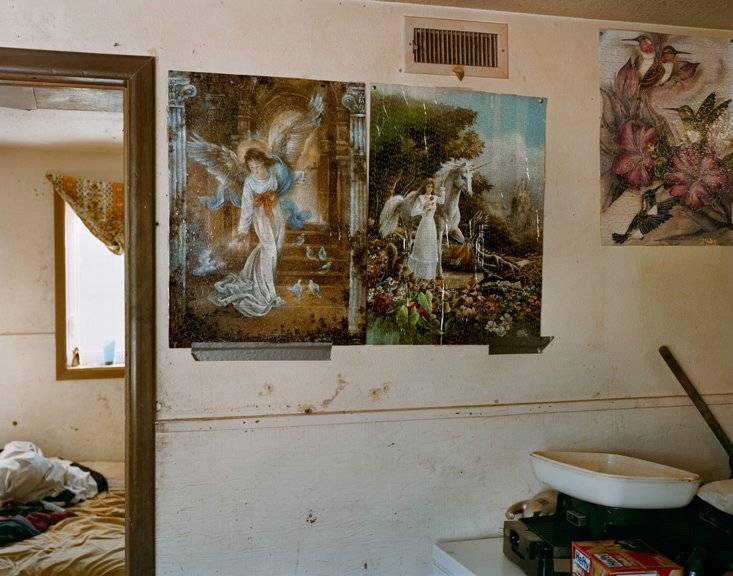
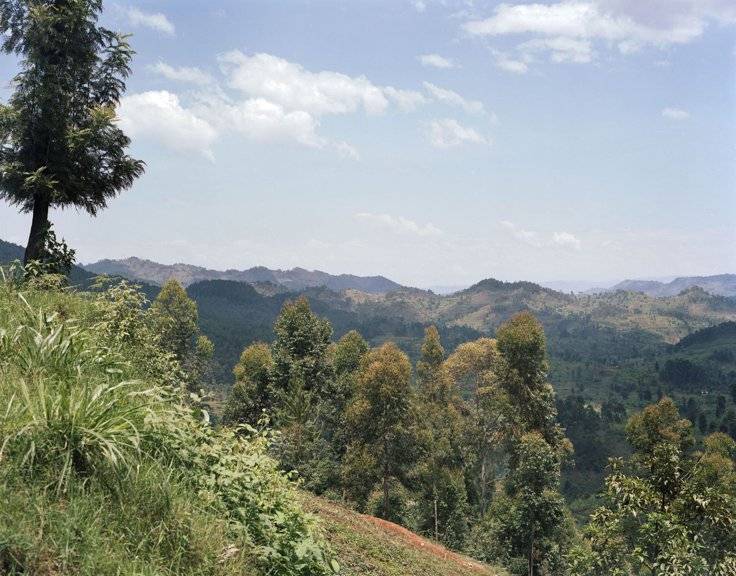
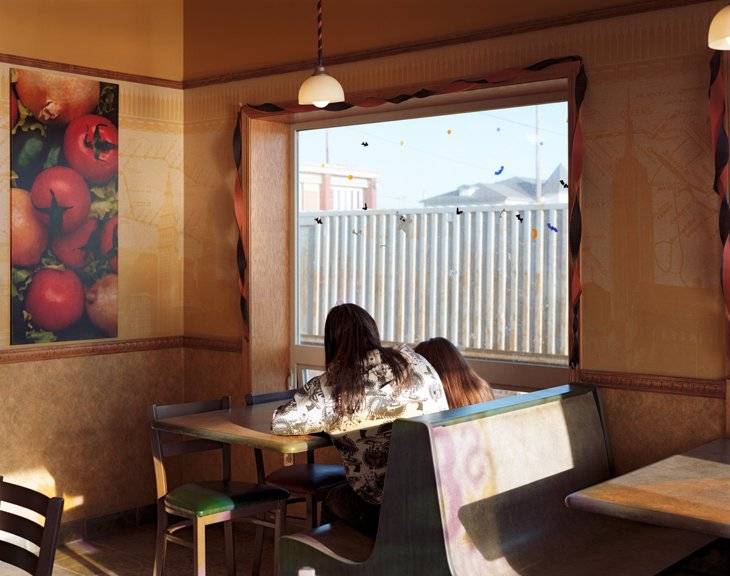
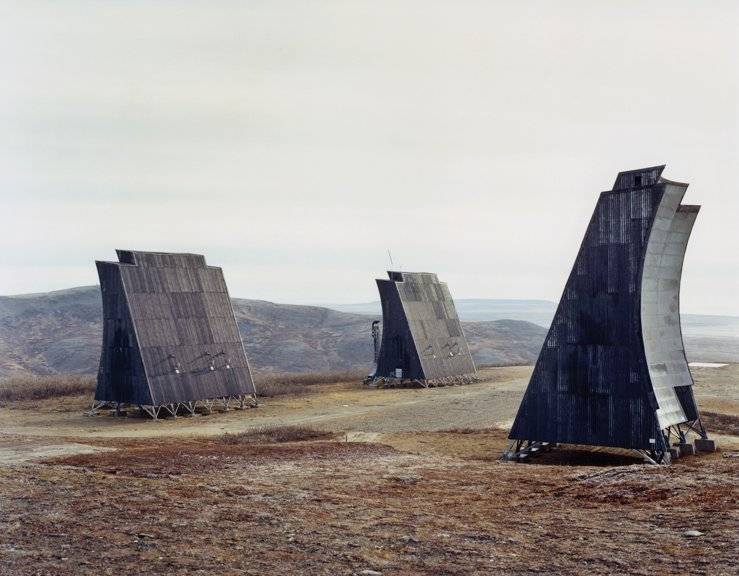
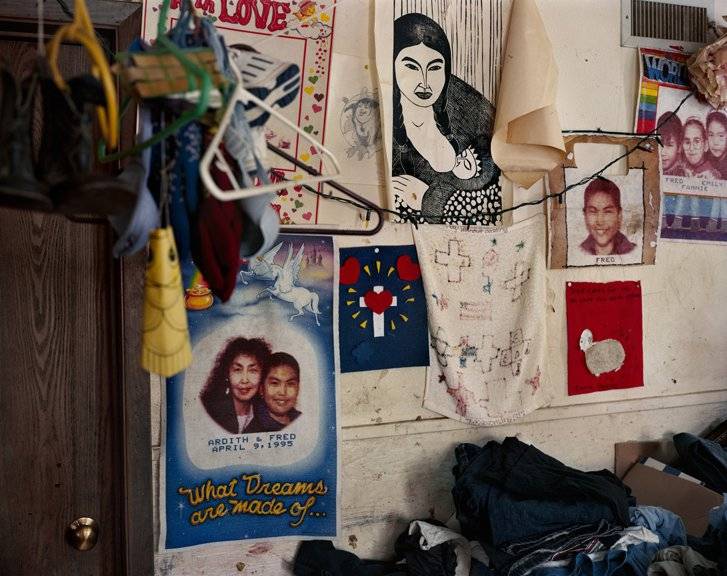
“I treat still lives as portraits—it’s a different process, clearly but my approach remains the same,” says Dana Lixenberg. “I think because I’m not very methodical with still lives, it’s more organic.” In the third and final instalment of our Still Lives series, we explore the power of the Dutch photographer’s impromptu interiors and landscapes. “Most people would probably associate me with portraiture as that’s what I’ve built a reputation upon,” she says. “I started to do still lives in the last 10 years and it’s slowly been creeping into my work.” Renowned for her long-term personal projects such as Imperial Courts and The Last Days of Shismaref in which the New York-based artist documents marginalised communities over the course of multiple years. “With these projects, I often can’t plan too much. I have to be present,” says Lixenberg. “To me it’s really interesting all the layers that reveal themselves when I spend time somewhere.”
What first brought you to photography?
Dana Lixenberg: I remember the first roll I took when I was an au pair in New York; I took my first evening photography class and I still have the pictures. It was kind of love and first sight for me. It made so much sense, as I was quite adventurous from an early age and traveled a lot, but I was always someone who couldn’t fully jump into things: I always had one foot out, an observer. Somehow finding photography, I discovered a reason to look at the world and process what I saw. It was very exciting.
Are there any photographers who informed your personal style?
DL: When I started photography, people like Bill Brandt made a huge impression. When I saw Diane Arbus’ work for the first time, it really hit the spot. Also the German photographer, August Sander, and Helmut Newton’s portraiture is very inspiring. I’m also really inspired by filmmakers such as Robert Altman and [Michaelangelo] Antonioni. But just meeting a person can be just as inspiring or more so than [looking at] photographs.
Your work is very site-specific. How do you find the places?
DL: I often first encounter a place because of a commission; that’s why, even though I do a lot less editorial work than in the 1990s, I am still open to do certain assignments because they lead me to unexpected places.
Has there been a particular project that has resonated with you the most?
DL: Imperial Courts is the one I feel most connected to. Over the years, there’s been a lot of tragedy. It’s a very intense place and it’s a very tight-knit community. I’ve been going there since 1993 and it’s the same people who live there now, though some have died, some are in jail and a couple of people have moved away. It also represents a pivotal project in my career as it led to all my work for American publications.
A lot of your personal projects revisit people and places that you photographed years ago. What draws you to return and recapture?
DL: Once I feel connected to a space, I think that’s it. I realize I only choose projects that take place in a confined area, a specific area. I like certain limitations.
Dana Lixenberg's Polaroid portrait workshop takes place during Foam Amsterdam's Foto Week on September 13. Some new work will be premiered at the Unseen Photo Fair, also in Amsterdam, from September 17 through 21.