Photographers in Focus: Wing Shya
The Hong Kong-based photographer, artist and filmmaker shares the creative inspirations that drive his immersive storytelling
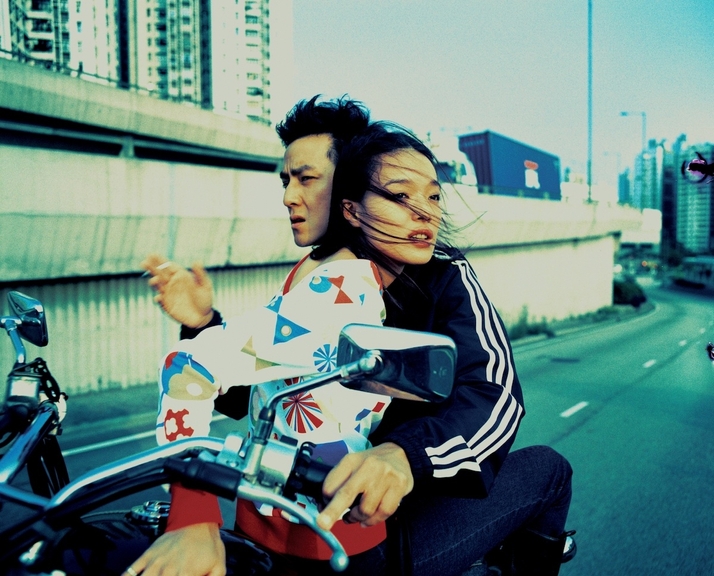
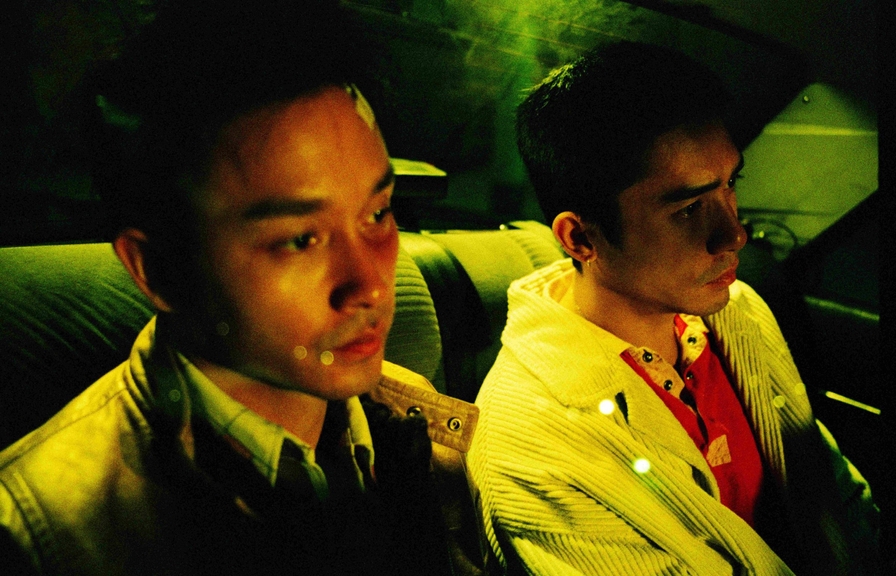
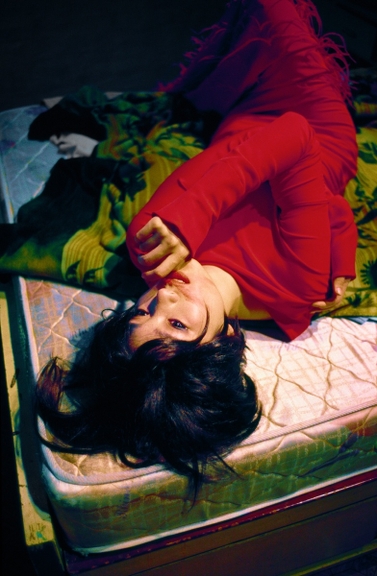
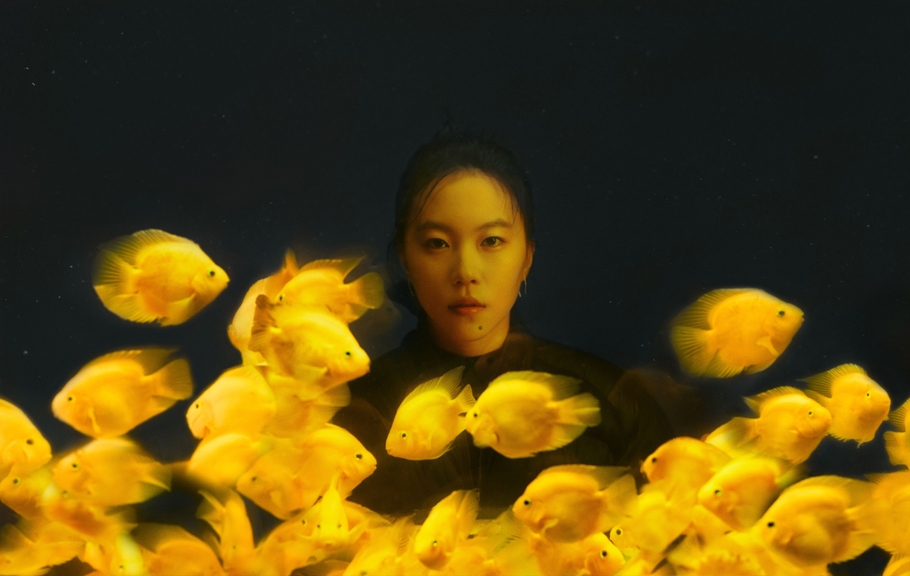
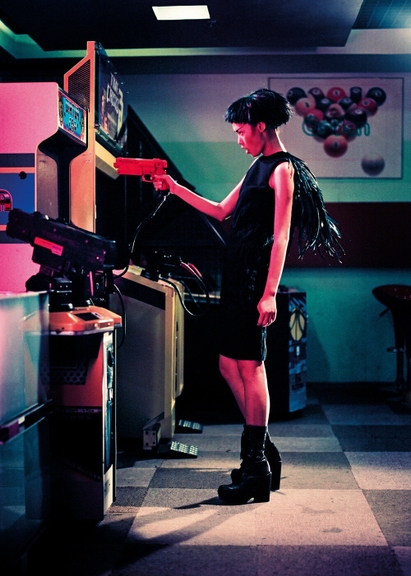
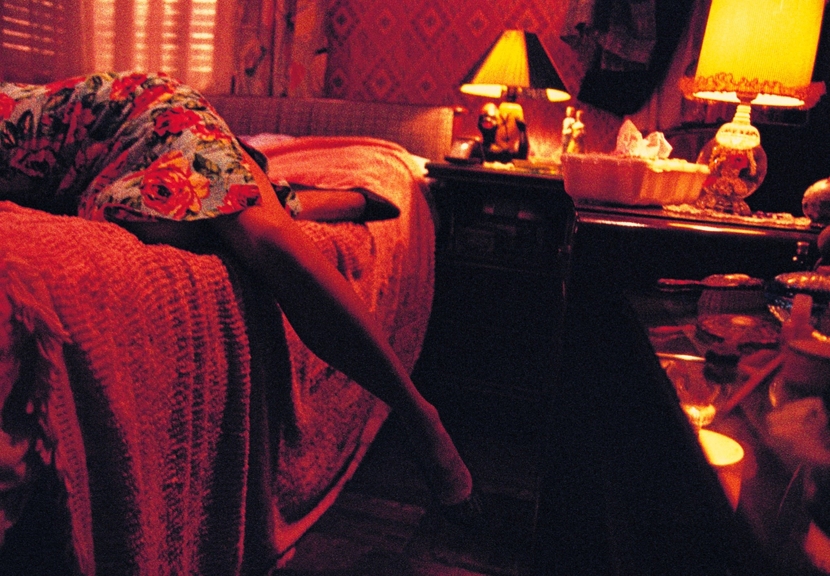
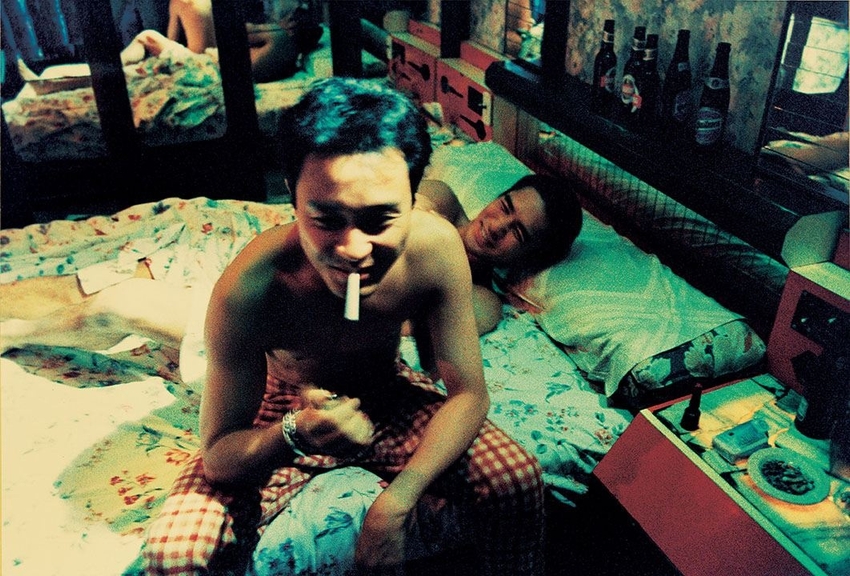
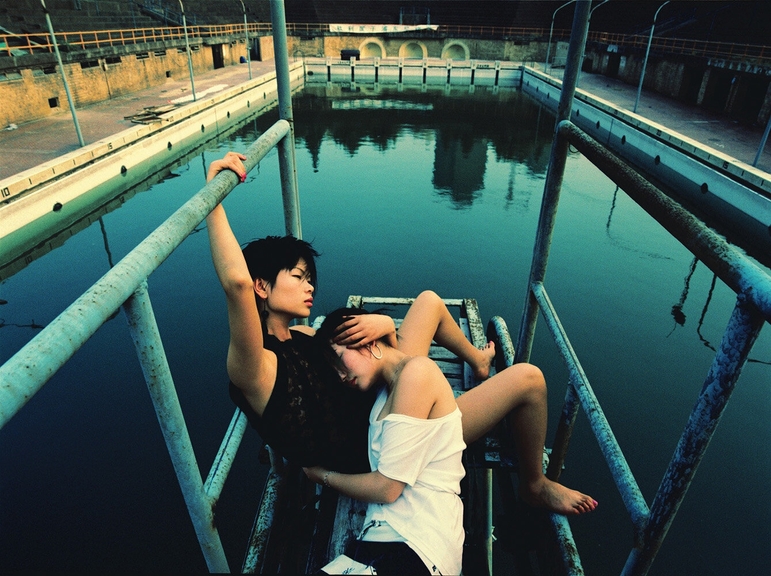
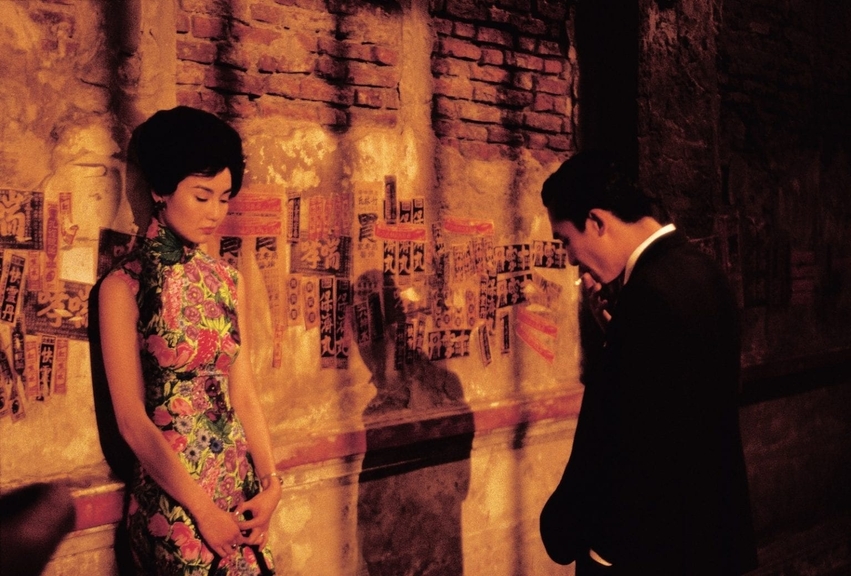
Born in Hong Kong, and rising to prominence for his on-set photography – distilling the mood of Wong Kar-wai’s films to stills – Wing Shya found his distinct storytelling style in saturated palettes and immersive cityscapes, translating rich emotional narratives through the environments and characters cast under his lens.
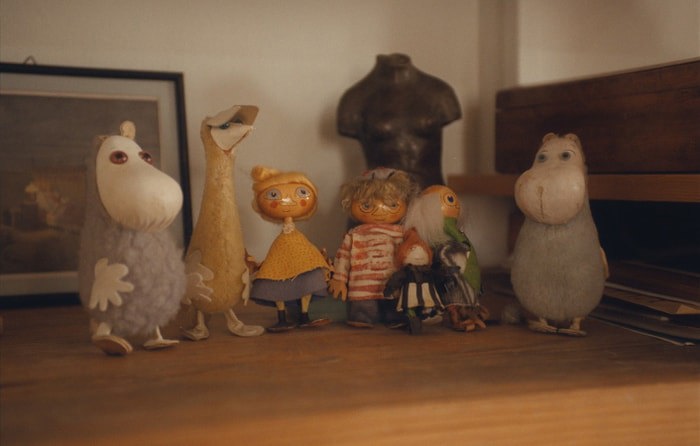
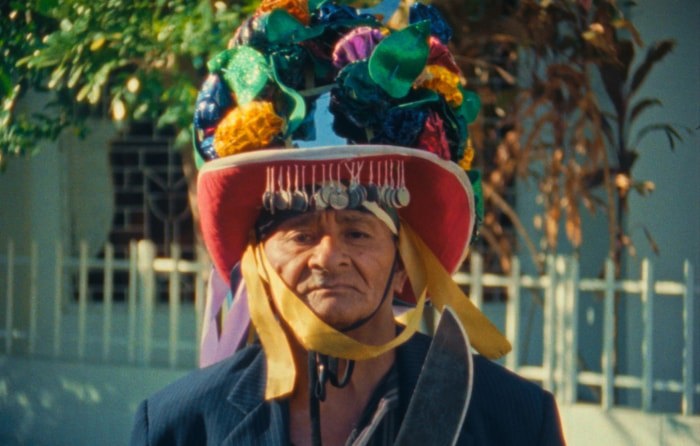
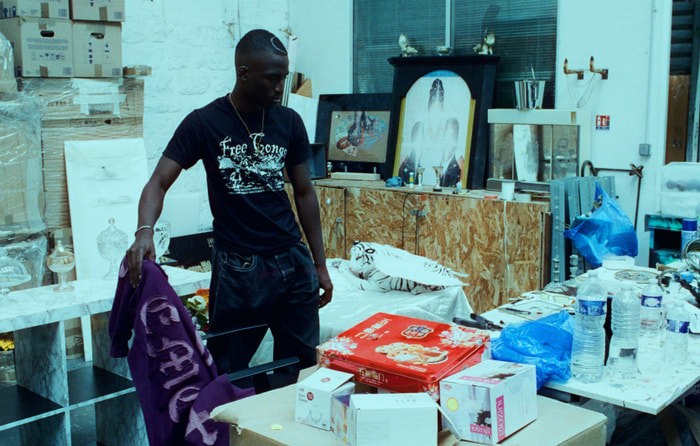
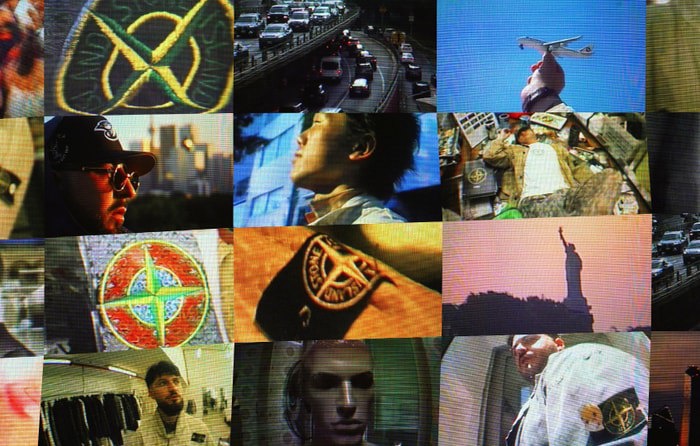
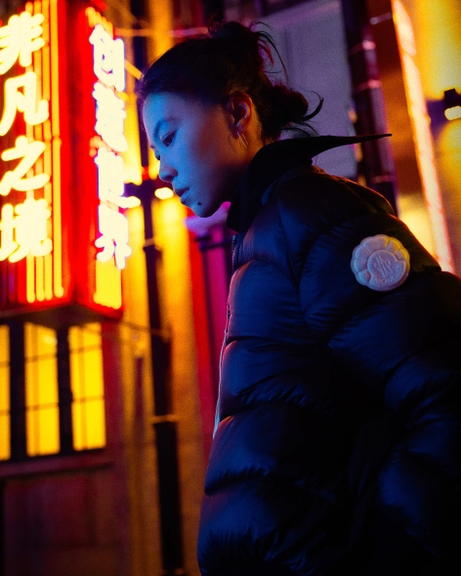
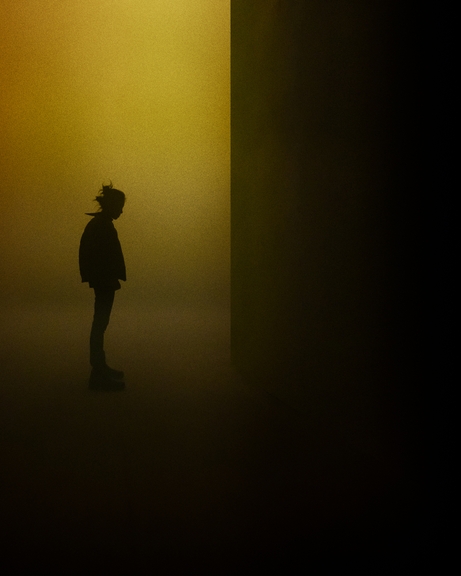
Journeying into creativity and non-conformity in a parallel city, inspired by Shanghai, the photographer, artist and filmmaker constructs a new cinematic world as director of The City of Genius – embodying what it means to ‘Live Genius’ for the short film, created by Moncler. Expanding his way with world-building to bring its imagined metropolis to life, Shya opens up his creative realm and fields of inspiration, illuminating the themes and sensibilities that inform his photographic work...
How did you get into photography?
I was very fascinated by photo taking as a teenager when I saw a movie by Ann Hui, so I spent some time part-timing at a photo-printing shop during holidays when I was still in school. After I came back from Canada, I began working at Commercial Radio. There I was invited by my good college friend, Jan Lamb, to shoot the album cover for his then-singer girlfriend, Cass Phang, who later became his wife. I had never done photography professionally until that point, and this is how it all started.
What themes do you explore in your work?
I like emotional themes, things that have to do with humans.
Where do you seek inspiration?
From everywhere. You just need to take a closer look. Sometimes I listen to music, or watch a movie, or eat some good food. Inspirations are everywhere, you just need to open your eyes to them, and quiet down the voice in your head.
What does it mean to you to ‘Live Genius’?
Be honest to yourself. There's a clear distinction between what you need and what you merely desire. We often crave many different things, but they may not align with our actual needs. Recognizing this difference and being honest with yourself is the mark of true wisdom.
There's a clear distinction between what you need and what you merely desire. Recognizing this difference and being honest with yourself is the mark of true wisdom.
What did you try to capture in your vision of Shanghai?
The combination of nature and city, old and new, the lack of and the abundance of colours, so on and so forth. All the contrasts that are highlighted by the sense of freedom.
How did you bring a sense of imagination to the visual?
I worked based on the concept from Moncler. They’ve given me perimeters but, within them, there is a lot of room for imagination. This is how such visuals have bloomed from it.
What were your lead references for The City of Genius?
There are quite a lot of references from my photography archive, whether mine or collected over the years from other sources. Since I was inspired by concepts driven by Moncler, it would be natural for me to look into elements that had to do with their concept, like sculptures for instance.
Can you tell us about your work with Wong Kar-wai?
I was mainly helping with still photography and designing materials related to his movies. Wong Kar-wai contacted me via my design house, when at that time I wasn't practicing photography professionally. I was only a graphic designer for the company. Then Wong Kar-wai took me onto his set – which was Happy Together – and this is how it all started. Wong Kar-wai is always quenching for more, and this helped to put me more into this state to create: as a student, I had always been nervous about my performance, and this is how I've always been motivated to work. Working with Wong Kar-wai reminds me of the emotional state of being an art student.
How did you transition from stills photography to moving image?
Still photos are just a snapshot for that second from a movie. It is a snippet, but still tells some sort of story that is outside of the frame. With moving image, you have more space and time for a narrative of your own.
Still photos are just a snapshot for that second from a movie. It is a snippet, but still tells some sort of story that is outside the frame. With moving image, you have more space and time for a narrative of your own.
What drives you to create?
LOVE. Love is understanding, and it helps you to connect to other things outside of your mind and your physical body.
What key elements make up your creative practice?
Looking beyond the façade is the key. A lot of things are not what they seem. You have to feel it on your own, and not simply just see it and analyse it with your mind.
How does Moncler embody creativity for you?
The City of Genius of Moncler is a great idea because of the basis of a research that has been done, about how humans are all born genius. This is a very exciting notion as it aligns with how I have always been thinking about the nature of humans, and this is one important aspect of us. Our intelligence.