Photographers In Focus: Aline Deschamps
The Thai-French photographer opens up about her creative process and photography as a tool for tackling geopolitical and social issues
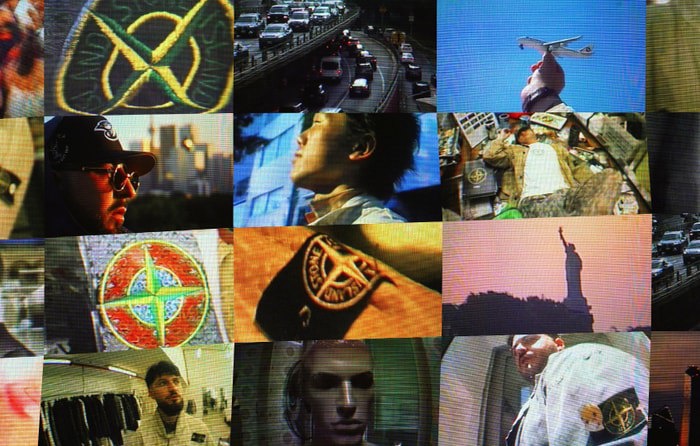
Exploring themes of identity construction, migration, and exile, Thai-French photographer Aline Deschamps seeks to challenge the dominant representation of her subjects through photography. Using the medium to directly tackle geopolitical and social issues, she centers her subjects through dignified and intimate visuals, chronologically investigating the identities of individuals subjected to forced labour under the kafala system across two photographic series #Iamnotyouranimal and #Alifeafterkafala.
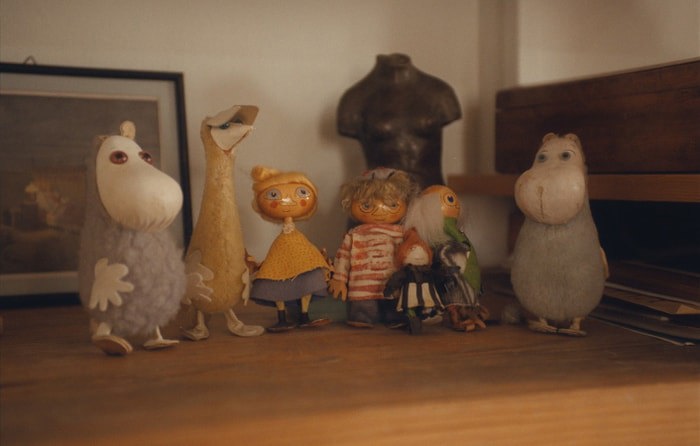
Three years ago, Deschamps started her series #Iamnotyouranimal, documenting the daily life of stranded migrant domestic workers she met in Beirut, Lebanon. Reflecting the direct impact of life under the kafala system – a migration sponsorship system in the Middle East which exponentially increases the risk of labour exploitation, forced labour and trafficking – each person she met had been subjected to restrictive, exploitative working conditions due to the framework, their sense of identity shifting as a result.
“In Beirut, the women had shared their relief of leaving a country in which they were abused, but it was also very painful for them to return to their home country, after months or years of unpaid work. I wanted to capture this undercovered part of the story: How were these women reintegrating into their homes and society? How were their lives post-kafala?”
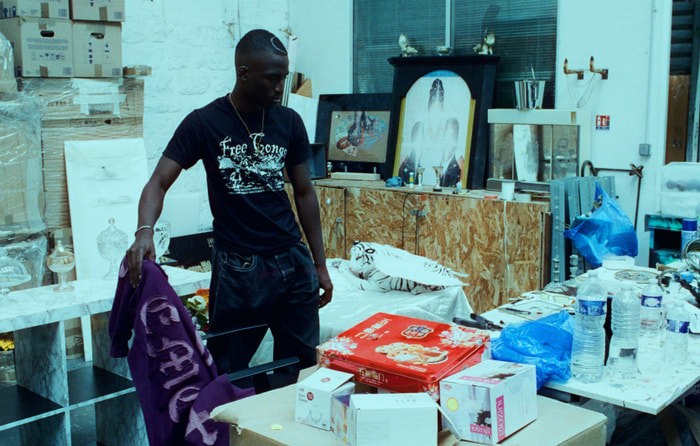
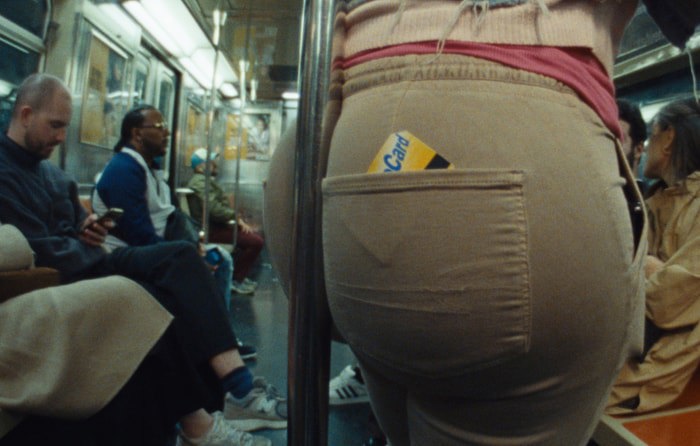
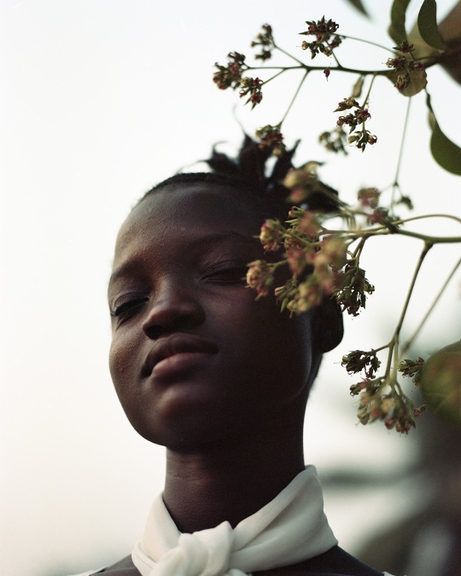
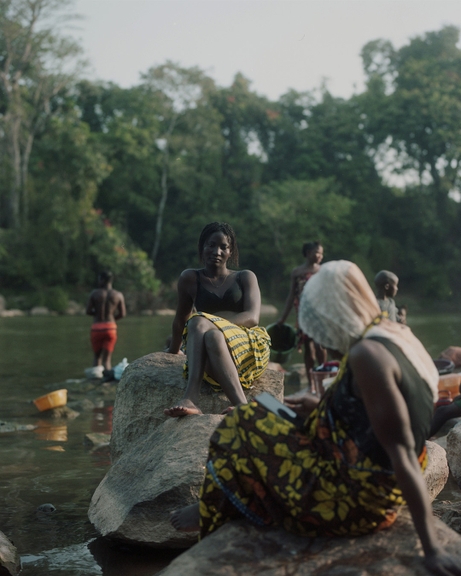
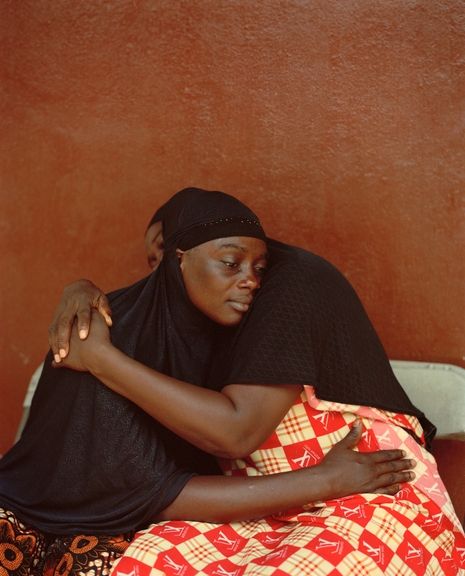
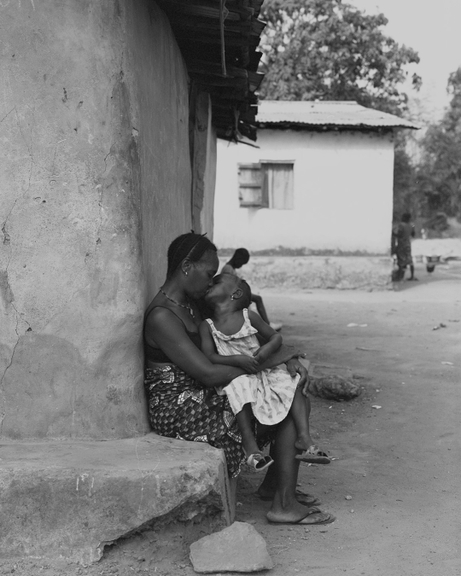
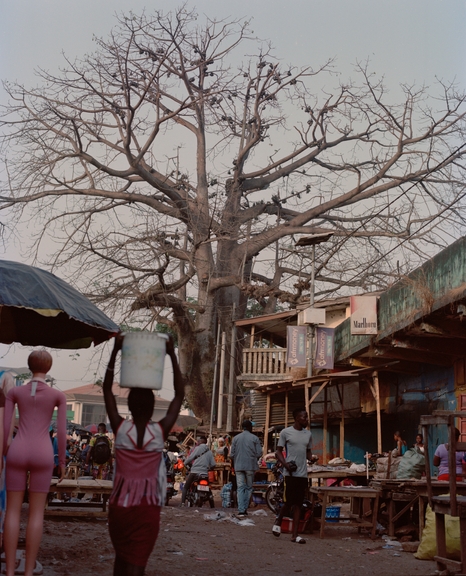
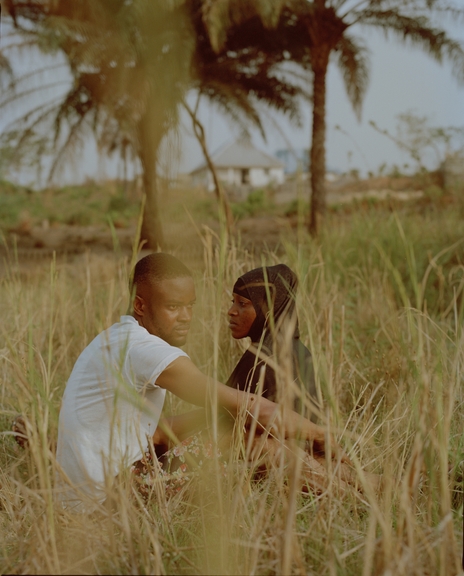
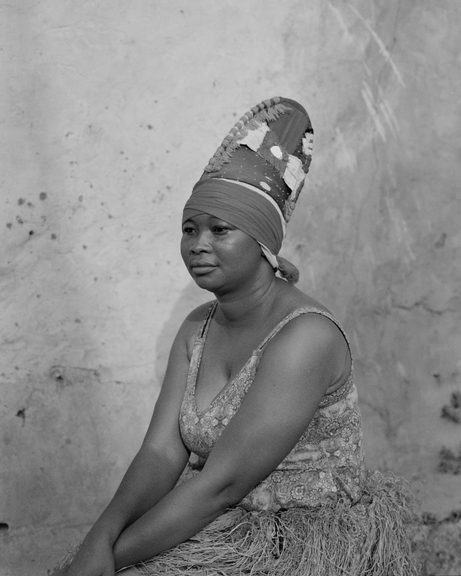
In 2022, Deschamps relocated to Makeni – a lush city in Northern Sierra Leone, and home to many of the trafficked women. Here, she began documenting the series #Alifeafterkafala, reuniting with some of the women she knew in Lebanon, along with new connections forged with former migrant domestic workers returning from Oman, Saudi Arabia, and the United Arab Emirates among others.
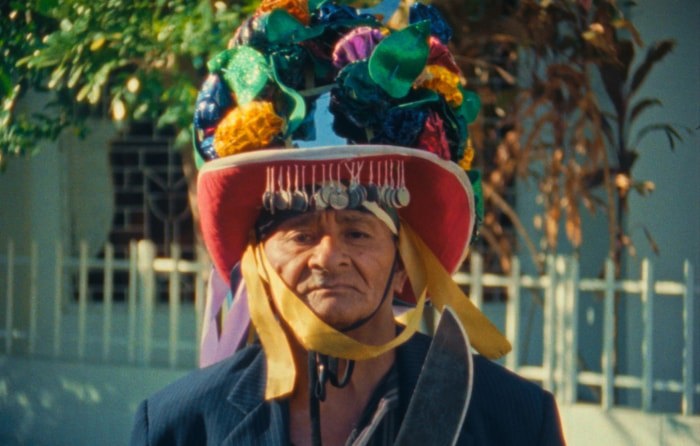
“I knew I wanted to represent migrant domestic workers from a place of dignity and power,” she says. “I think their beauty, creativity and strength were things which really inspired me and needed to be shared. It was crucial for me to represent migrant domestic workers having fun and doing ordinary things in order to reveal our common humanity. First, because I want them to be proud of their images, but also because this visual testimony can enable the shift on how these women are perceived in the region.”