Nigel Shafran’s Work Books
A glimpse into the mind of the self-taught British photographer
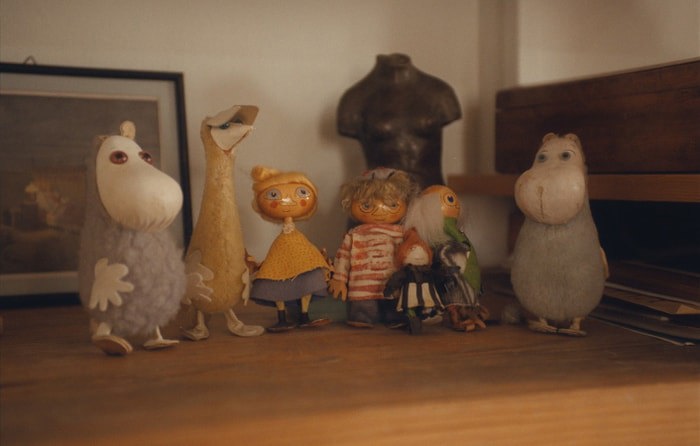
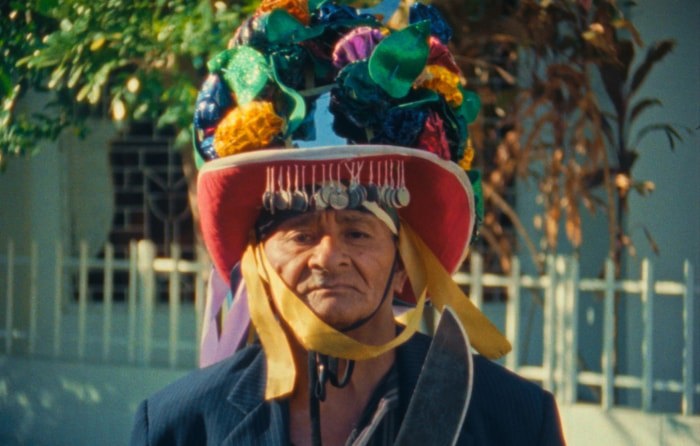
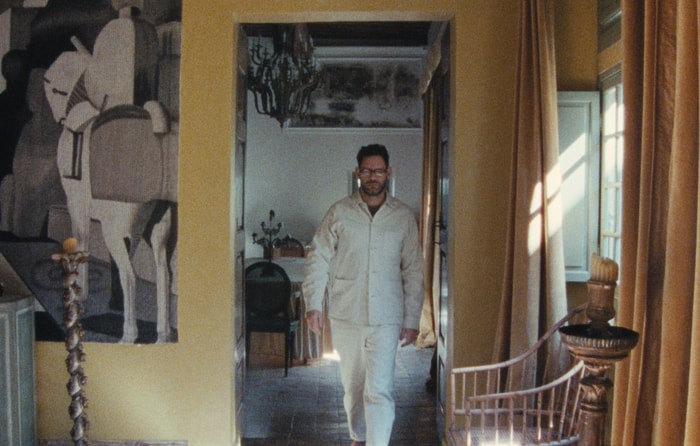
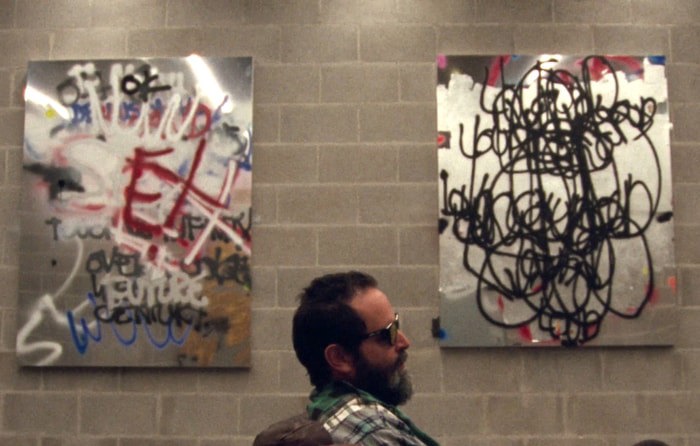
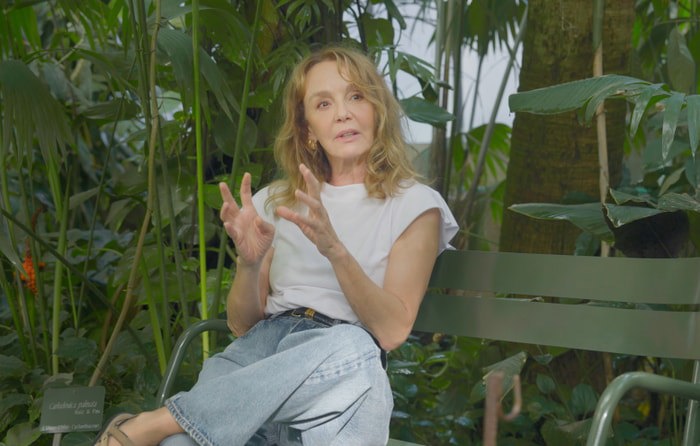
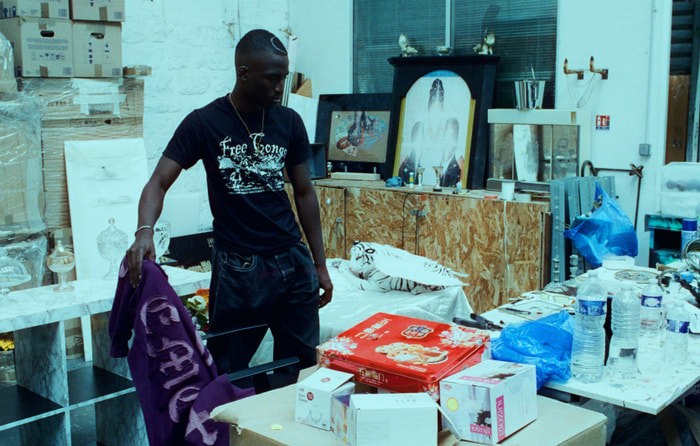
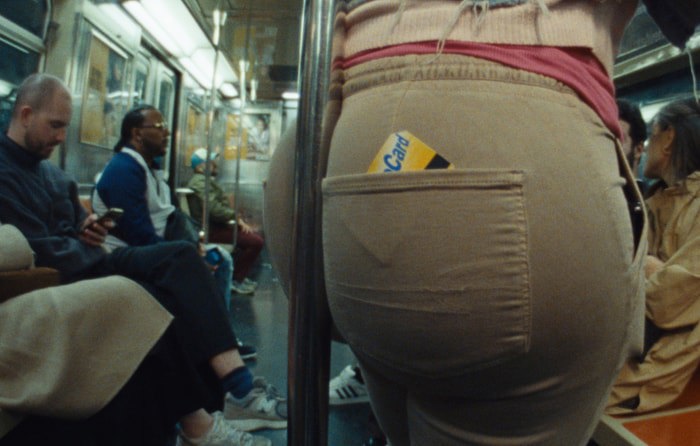
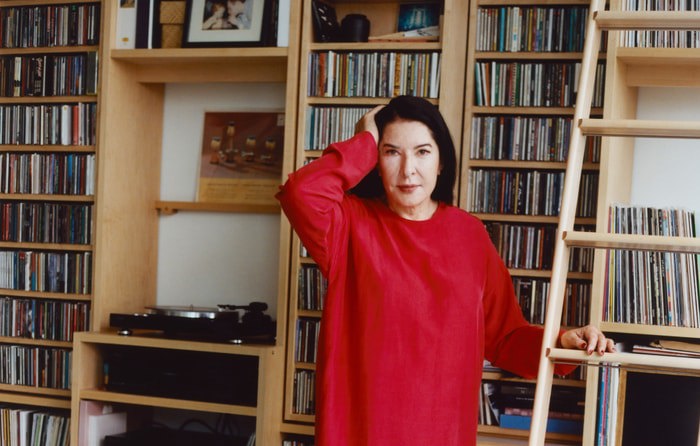
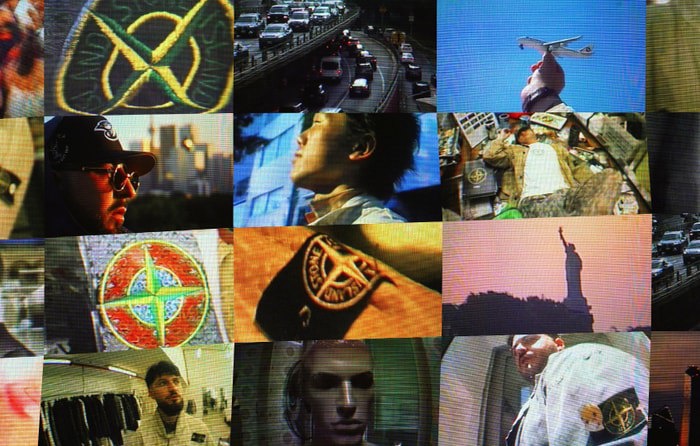
Nigel Shafran brought his very particular, and studied brand of vernacular photography to the world of fashion and editorial photography during the 1980s and 90s. In one 1997 commission, he shot the Spice Girls for the Guardian magazine in which he captured their shoes, the backs of their legs, snatching moments of a group on the brink of fame. Since then, Shafran has been better known for publishing an interesting series of books—most recently Teenage Precinct Shoppers (2013) and Ruth on the Phone (2012)—and now, he lets us into the more secretive realm behind the published and the polished: the world of his work books, in a show at PhotoHastings festival that starts on England’s south coast from next month and that features 30 years of sketchbook work, diaristic notes, reflections, and video presentations.
Below is an extract of a forthcoming essay by David Chandler written to accompany the exhibition, who looks at the link between Shafran’s obsessive journal-keeping and his photographic method:
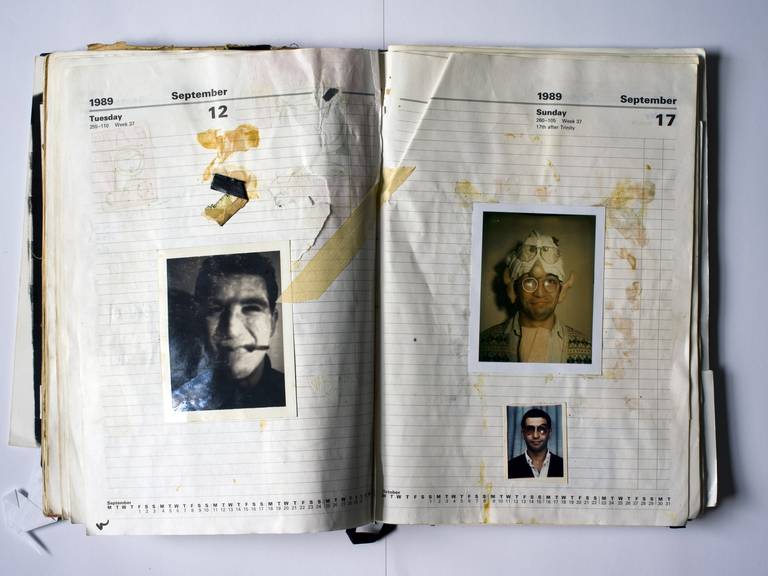
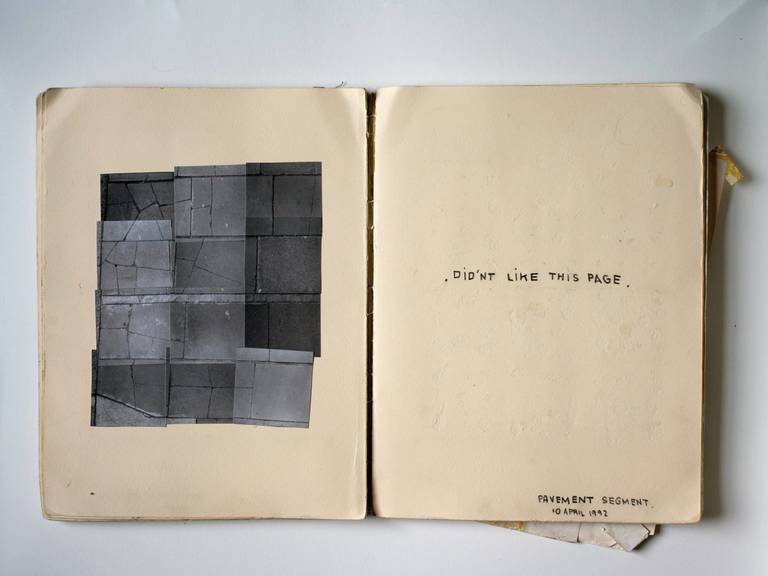
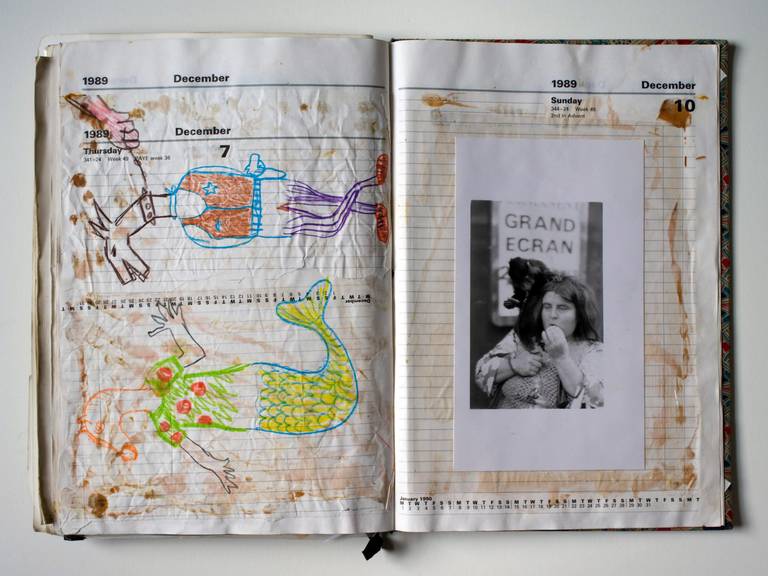
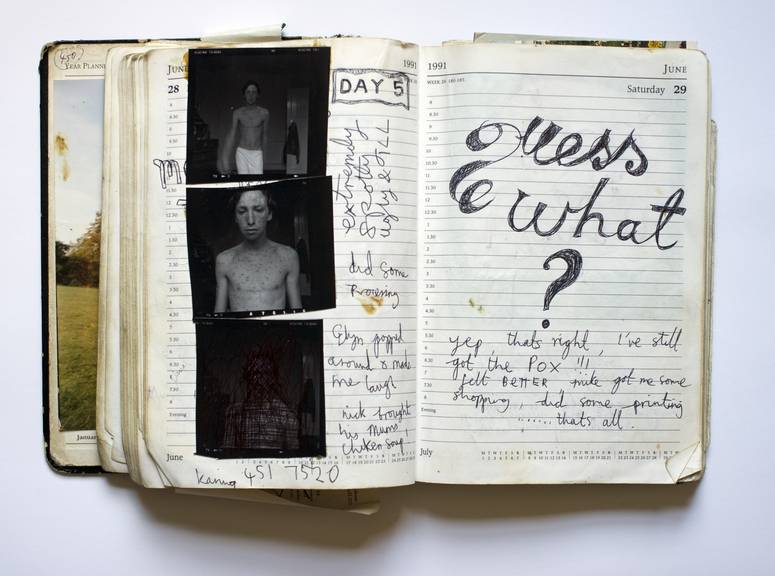
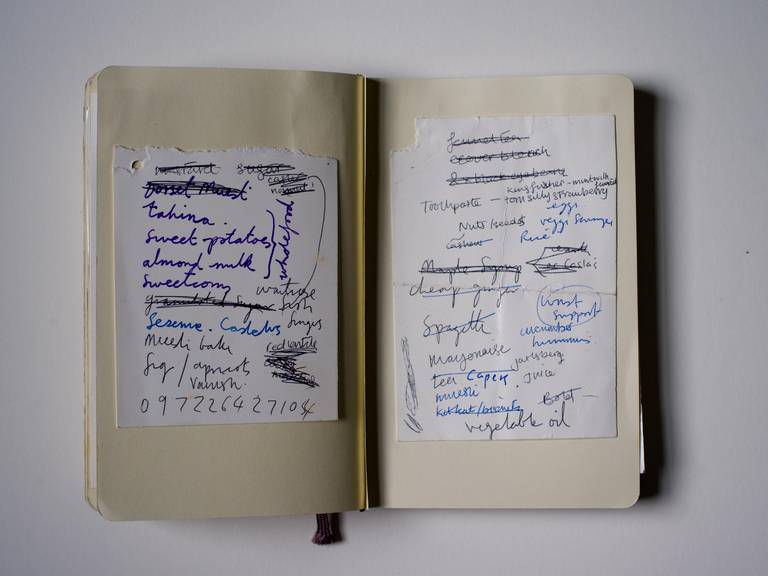
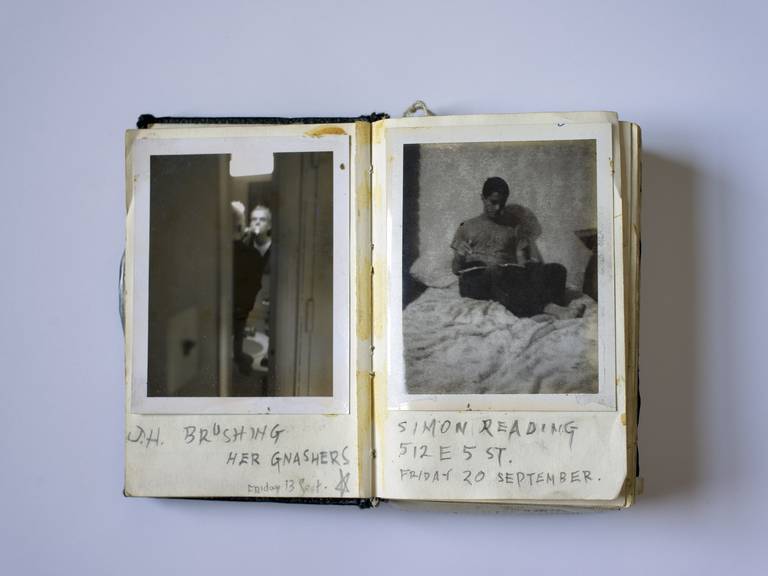
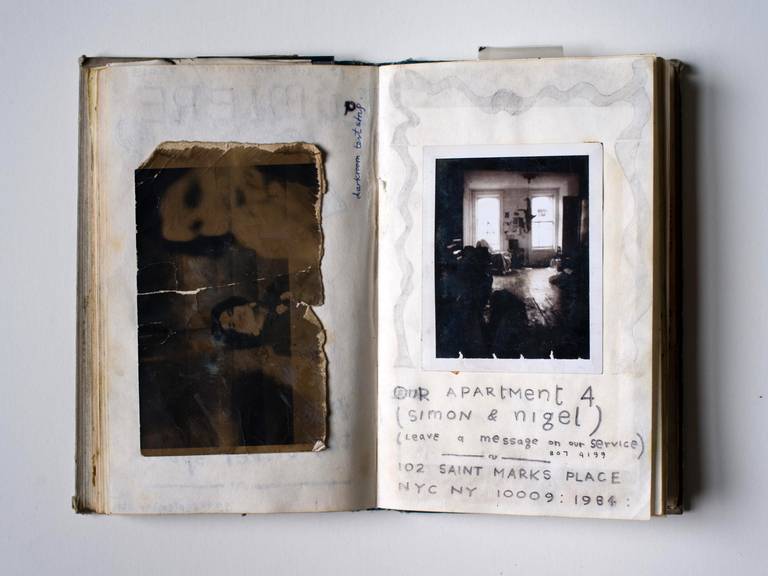
Books have been the principal means through which Nigel Shafran’s photographic work has become known. He understands the gift of their materiality and he has invested heavily in how his books look and in how they are made. But Shafran’s investment in book making is also integral to the way he builds his ideas and projects. It is ingrained in a process that sees his photographs, soon after they are made, printed, edited and stuck into the pages of bound volumes that are part workbook, part diary, part aide-memoire.
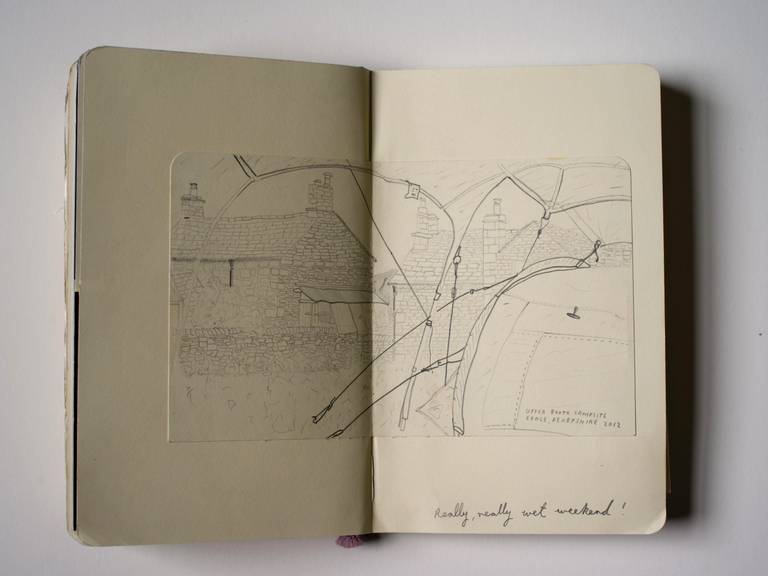
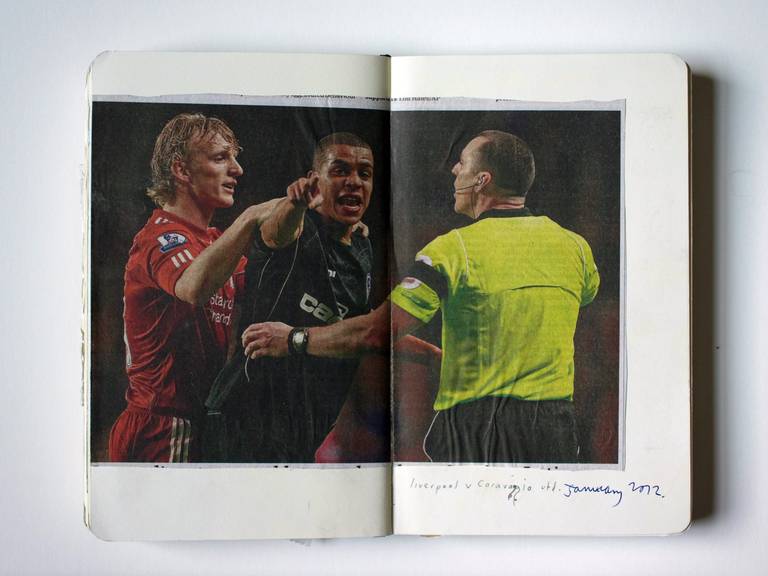
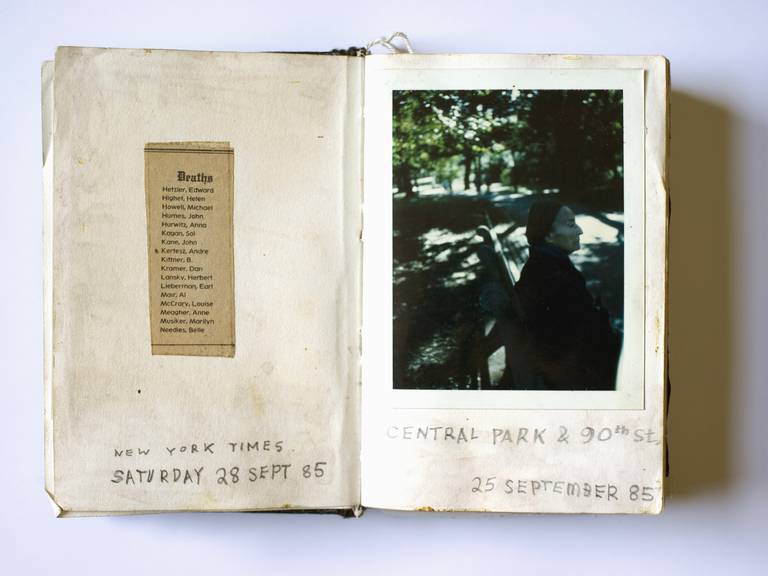
These working documents are informal books, but, partly in preparation for decisions that will later define the actual publications, they are carefully assembled and richly embellished. Each is filled with drawings, notes and bits of everyday ephemera as well as photographs, and each has a particular aesthetic, with an easy feeling for material craft as well as visual simplicity and clarity that is characteristic of Shafran’s intuitive organising principles and his entire working process.
Work Books, 1984 – 2014 runs from Monday October 13 through Sunday October 26 at PhotoHastings 2014.