Beat Illumination
Eric Drooker Discusses His Animation for Howl (Starring James Franco)
Where did you meet Allen Ginsberg?
I met him on the streets of the Lower East Side—in fact, he lived just two blocks away from me. When he realized that I was the artist who’d created so many of the street posters in the neighborhood, he admitted that he’d been peeling them off brick walls and lampposts, and collecting them at home. He suggested we do a poster together. Over time, we collaborated on numerous projects, bouncing his words off my pictures.
How did you come to work on Howl the film?
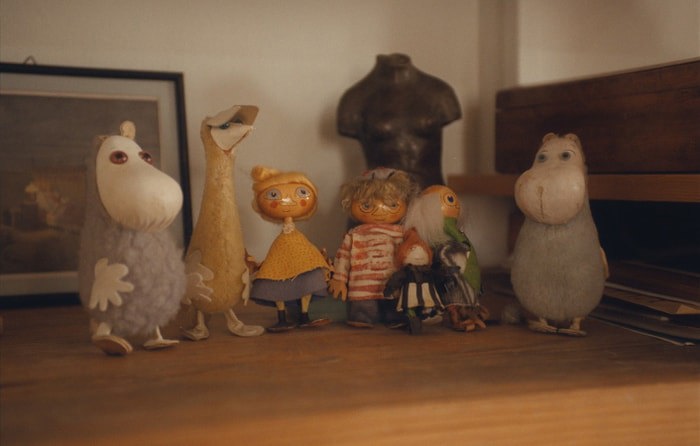
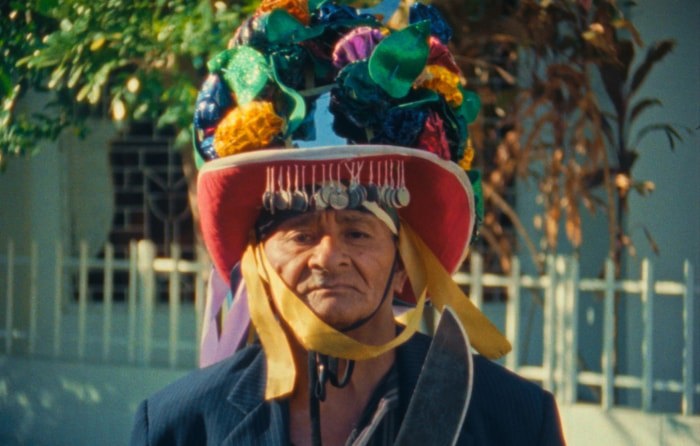
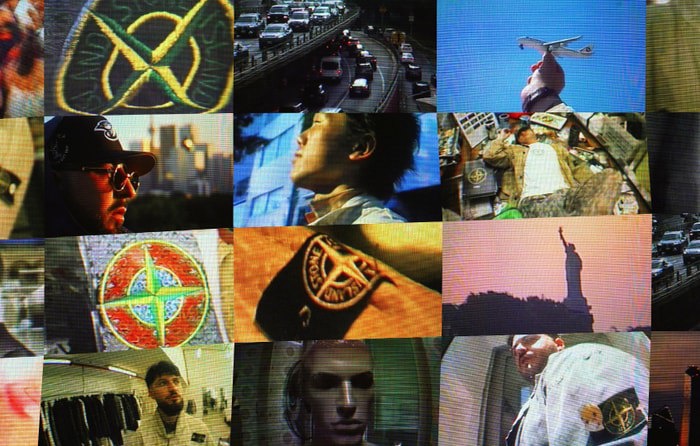
Illuminated Poems became an underground classic, and the book ultimately caught the attention of filmmakers Epstein & Friedman. They were just starting to direct a feature about Allen’s early poem Howl and its historical significance—with Hollywood actors playing Ginsberg and his friends Jack Kerouac and Neal Cassady. When they approached me with the ingenious idea of animating Howl, I thought they were nuts and said: "Sure, let’s animate Dante’s Inferno while we’re at it!" Then they told me I’d work with a team of studio animators who would bring my pictures to life... how could I say no? The psychic landscape in the poem Howl was instantly recognizable to me. The characters portrayed in the poem were quite familiar as well—I knew many of these people—so I had no problem conceiving the animated characters and background art for the film.
How has Ginsberg influenced your work?
Ginsberg influenced my work (and life) in countless ways—particularly in his refusal to censor himself. He taught me to always listen to my heart, which is extremely difficult for most creative people in our economic system. The majority of artists (and musicians, writers, etc.) routinely prostitute their talent to the highest bidder. Of course, it's hard to blame them, with the high cost of living and all. But it's generally disappointing for artist and public alike.
What can we expect from the film?
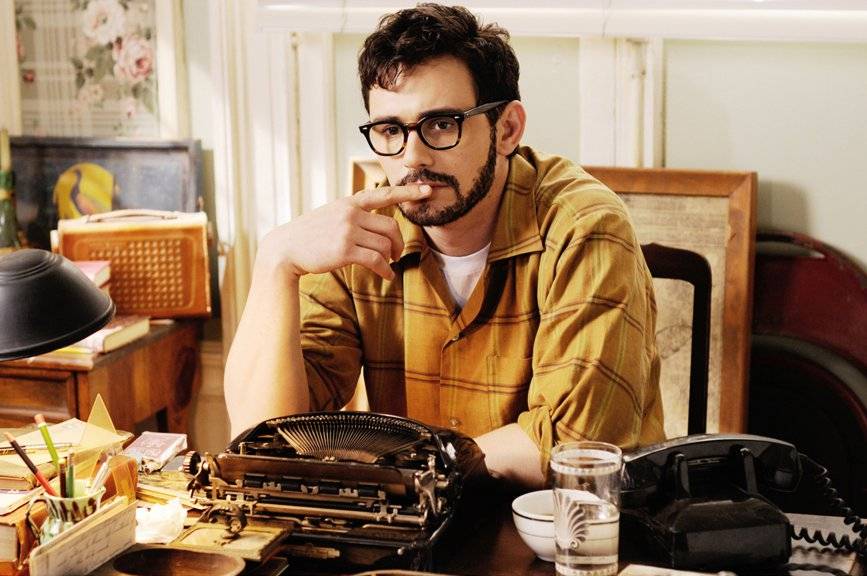
It’s an unusual combination of live action and animation, depicting the hopes, dreams and fears of a generation who found themselves in the middle of Cold War America, in the 1950s. They were totally Beat... and unafraid to speak their minds.