A Hard Man is Good to Find!
The Photographers’ Gallery documents the clandestine visual culture queering men’s bodies in post-war Britain
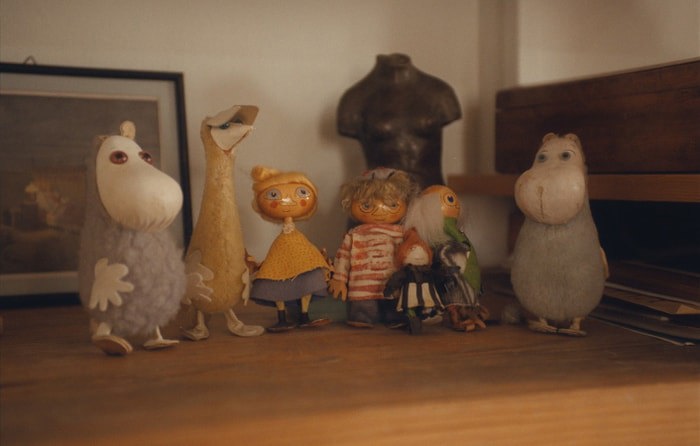
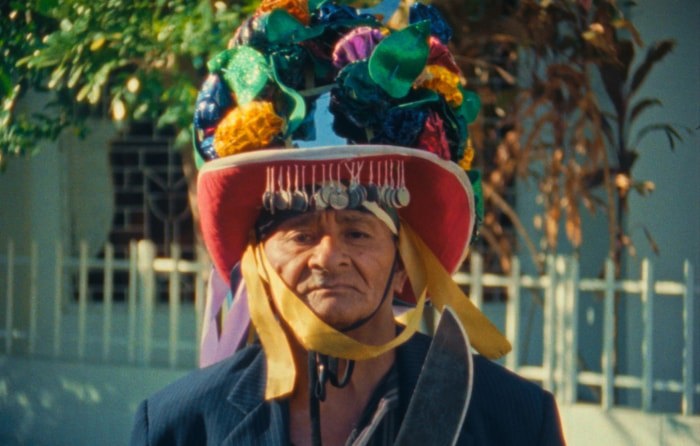
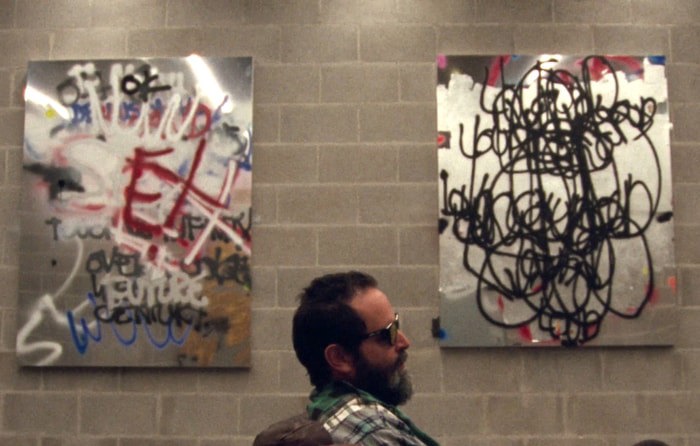
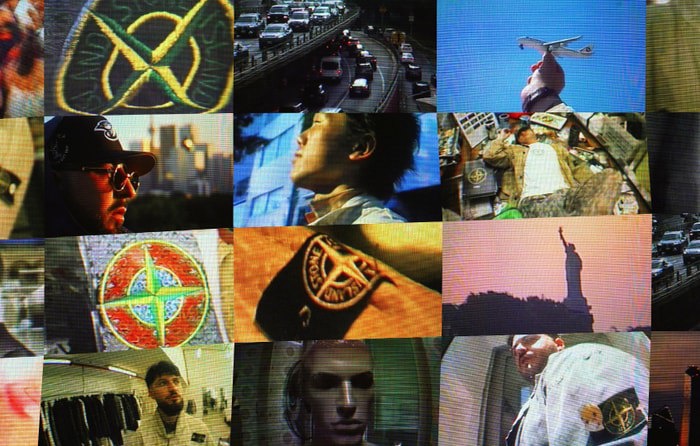
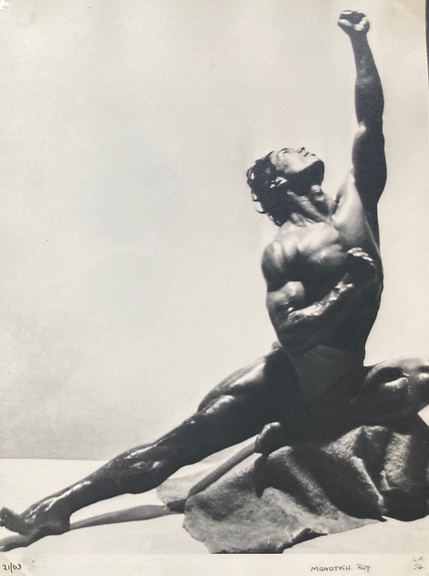
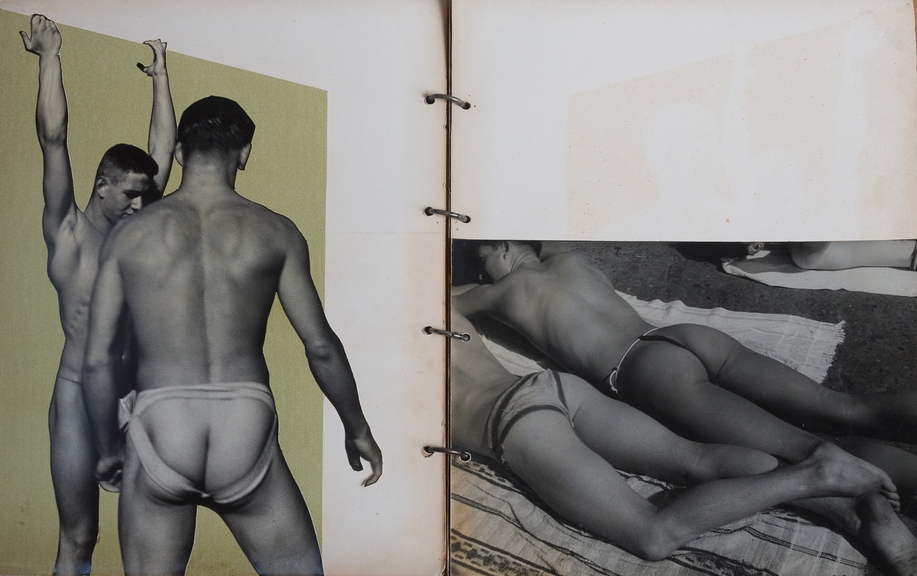
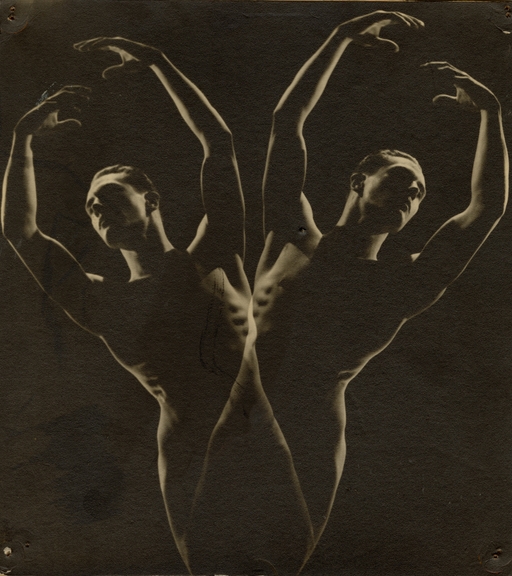
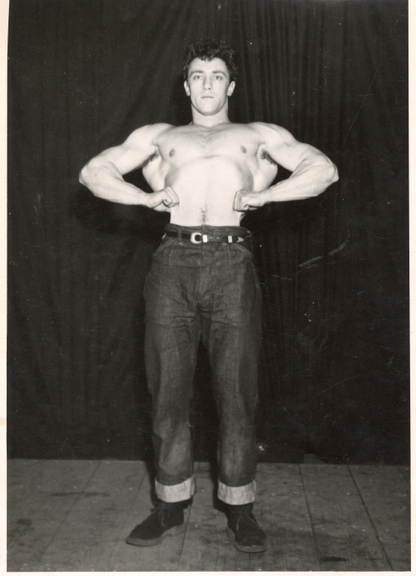
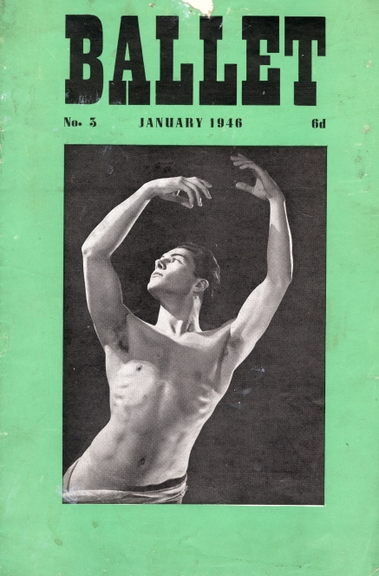
Compiling archival contributions from Cecil Beaton, Keith Vaughan, and John S Barrington, among others, London's The Photographers’ Gallery presents A Hard Man is Good to Find!, tracing the birth of a clandestine visual culture centering men’s bodies and queer visibility amid changing legislation around homosexuality in the UK.
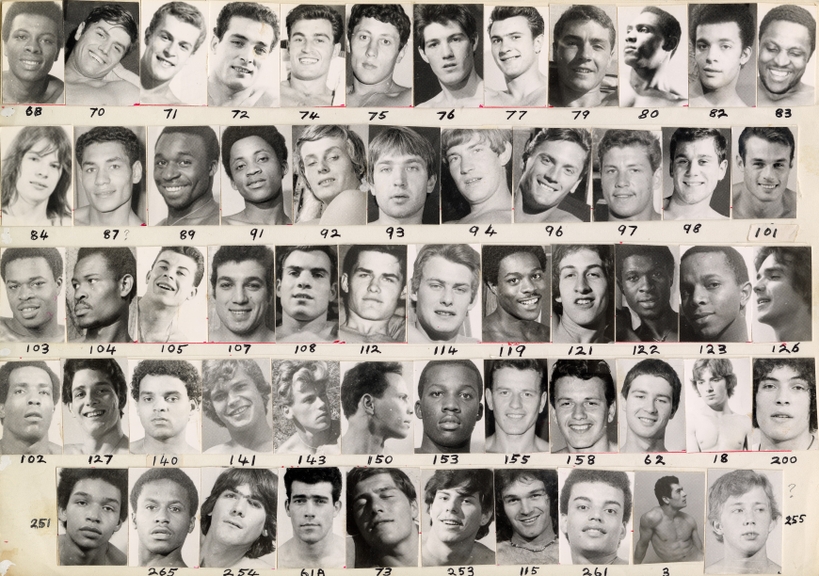
Curated by Alistair O’Neill, professor of Fashion History and Theory at Central Saint Martins (University of the Arts London), the exhibition features over 100 works exploring queer photographic depictions of male bodies in post-war Britain – the production and distribution of which remained a criminal offense under the 1857 Obscene Publications Act. With the partial decriminalization of gay sexual activity, following the 1955 Wolfenden Report and the 1967 Sexual Offences Act, the continued illegality of capturing male nudity through a queer lens gave rise to a growing underground press, much of which has since been subjected to modes of queer erasure.
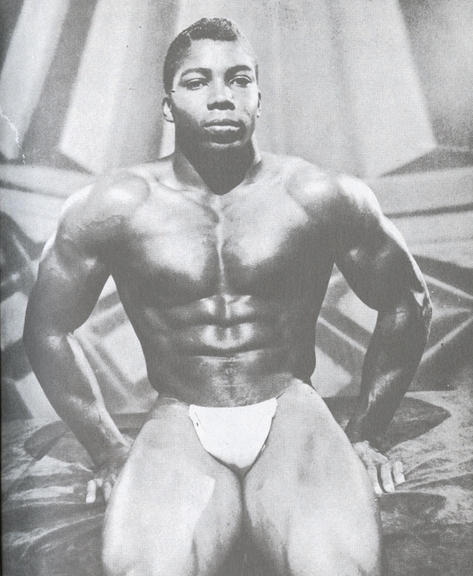
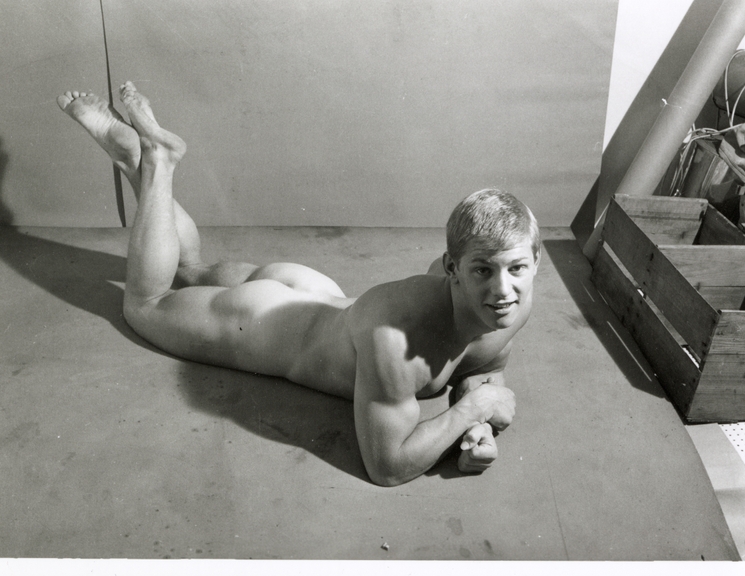
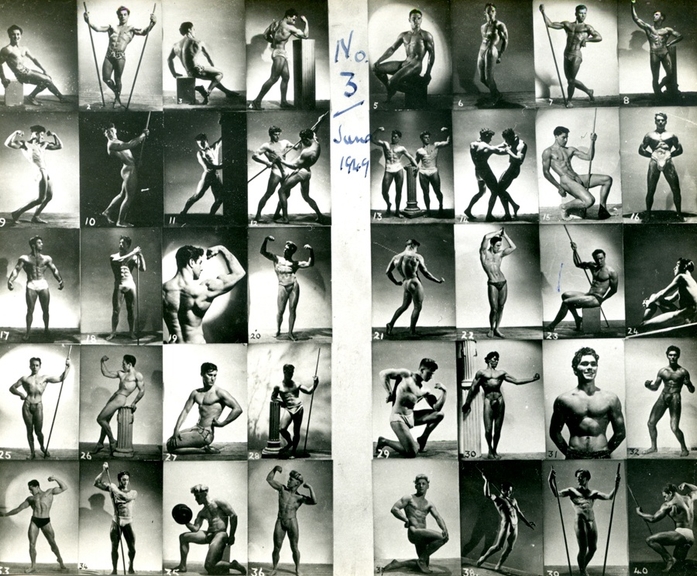
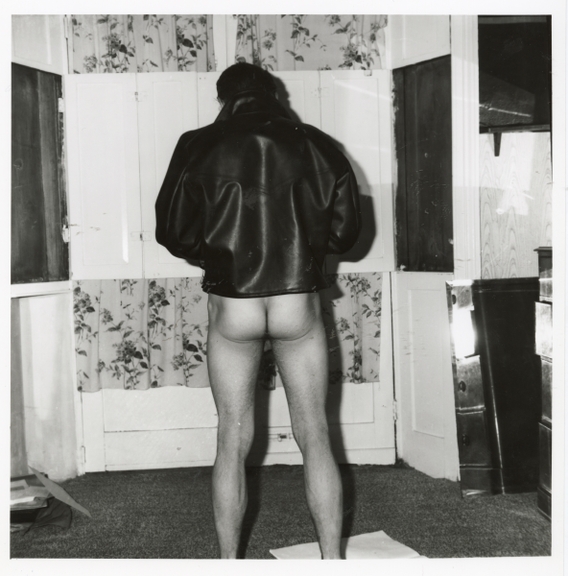
Taking a visual journey through the London neighborhoods and unofficial safe spaces that served the capital’s queer communities – during an era when they were still classified invisible – A Hard Man is Good to Find! follows changing representations of men’s bodies in a defiant embrace of homosexual identities, through shifting trends that shaped the overt queering of their depictions. In the oiled machismo of gay physique photography, the underground production of home-grown pornography, and visions of queer creatives within 20th century subcultural contexts, the collection explores the visualization of male nudity, strictly for male consumption, as the push towards gay liberation and social equality began to gain speed.
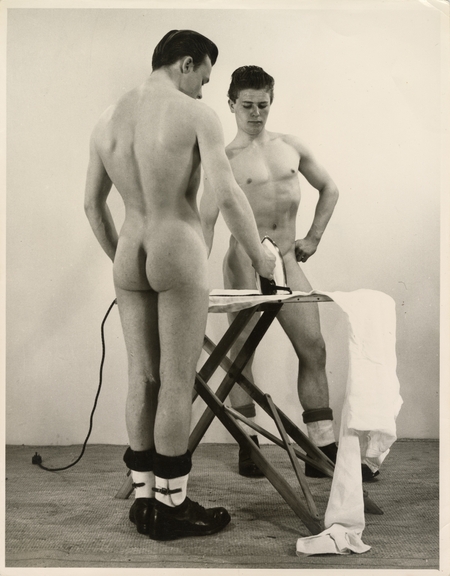
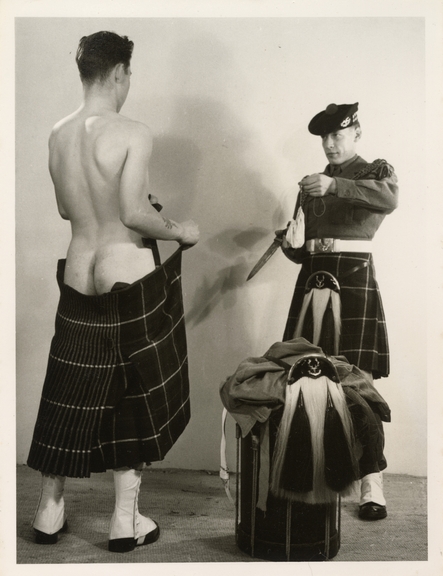
From Basil Clavering’s high-camp ‘storyette’ catalog sheets, cast around Pimlico’s military barracks and available by private order, to Keith Vaughan’s documentation of cruising in Highgate Men’s Pond, and Emmanual Cooper’s The Portobello Boys series – reissuing anonymous material shooting the homosexual undercurrent of bachelor housing in late 1950s Notting Hill – A Hard Man is Good to Find! captures what the mainstream society of the time refused to see through intimate photography fueled by a community caught between the tension of visibility and invisibility.